Like us on facebook
Follow us on twitter
review us on google

Protecting Your Feet from Falls at Home

Falling at home can lead to serious foot injuries such as sprains, fractures, or even long-term joint damage. The feet often take the brunt of a fall, especially when tripping over objects or slipping on wet surfaces. To reduce this risk, eliminate loose rugs, install handrails in stairways and bathrooms, and keep extension cords and clutter out of walkways. Place non-slip mats in bathrooms and use night lights to improve visibility at night. A podiatrist can help by treating injuries, assessing balance and gait, and recommending supportive footwear or orthotics to improve stability. If you have sustained a foot or ankle injury from falling, it is suggested that you contact a podiatrist who can treat various foot conditions.

Preventing falls among the elderly is very important. If you are older and have fallen or fear that you are prone to falling, consult with Pasquale Cancelliere, DPM from Candria Foot and Ankle Specialists. Our doctor will assess your condition and provide you with quality advice and care.

Every 11 seconds, an elderly American is being treated in an emergency room for a fall related injury. Falls are the leading cause of head and hip injuries for those 65 and older. Due to decreases in strength, balance, senses, and lack of awareness, elderly persons are very susceptible to falling. Thankfully, there are a number of things older persons can do to prevent falls.

How to Prevent Falls

Some effective methods that older persons can do to prevent falls include:

  • Enrolling in strength and balance exercise program to increase balance and strength
  • Periodically having your sight and hearing checked
  • Discuss any medications you have with a doctor to see if it increases the risk of falling
  • Clearing the house of falling hazards and installing devices like grab bars and railings
  • Utilizing a walker or cane
  • Wearing shoes that provide good support and cushioning
  • Talking to family members about falling and increasing awareness

Falling can be a traumatic and embarrassing experience for elderly persons; this can make them less willing to leave the house, and less willing to talk to someone about their fears of falling. Doing such things, however, will increase the likelihood of tripping or losing one’s balance. Knowing the causes of falling and how to prevent them is the best way to mitigate the risk of serious injury.  

If you have any questions, please feel free to contact our offices located in Londonderry, NH and Salem, NH . We offer the newest diagnostic and treatment technologies for all your foot care needs.

Read more about Falls Prevention

How Footwear Affects Movement and Mobility at Every Age

The shoes we wear influence how we walk, balance, and move through daily life. In early years, flexible shoes that allow natural movement can help support developing feet. As we age, footwear with proper arch support, cushioning, and stability becomes more important. Poor shoe choices can contribute to joint strain, foot deformities, or falls, especially in older adults. Over time, unsupportive or ill-fitting shoes may alter gait patterns and affect posture, leading to discomfort in the knees, hips, or back. Choosing the right footwear can help preserve comfort and movement ability from childhood into later years. It is not only about style or fit, it is about supporting long-term mobility. If you are experiencing discomfort or noticing changes in how you walk, it is suggested that you schedule an appointment with a podiatrist for a diagnosis and appropriate treatment.

Getting the right shoe size is an important part of proper foot health. Seek the assistance of Pasquale Cancelliere, DPM from Candria Foot and Ankle Specialists. Our doctor will provide the care you need to keep you pain-free and on your feet.

Getting the Right Shoe Size

There are many people who wear shoes that are the incorrect size, negatively affecting their feet and posture. Selecting the right shoes is not a difficult process, so long as you keep several things in mind when it comes to choosing the right pair.

  • When visiting the shoe store, use the tools available to measure your foot.
  • Be sure there is ‘wiggle room’. There should be about an inch between your toes and the tip of your shoes.
  • Do not always assume you are the same size, as manufacturers run differently.
  • Purchase shoes later in the day, as your feet swell as the day progresses.
  • If a shoe is not comfortable, it is not suitable. Most shoes can’t be ‘broken in’, and comfort should be the ultimate goal when it comes to choosing the right pair of shoes

As our feet hold our body weight and keep us moving, it is important to treat them right. Picking the right pair of shoes can provide your feet comfort and mobility without pain.

If you have any questions, please feel free to contact our offices located in Londonderry, NH and Salem, NH . We offer the newest diagnostic and treatment technologies for all your foot care needs.
Read more about Getting the Right Shoe Size: To Keep Your Feet Happy

Various Causes of Toe Pain

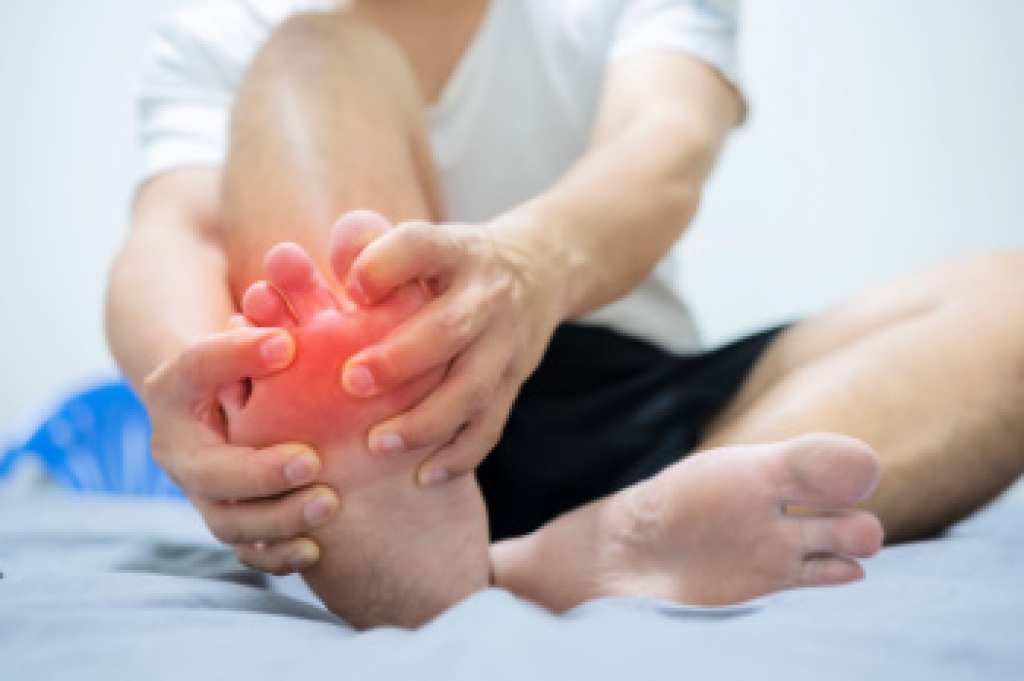
Toe pain can be caused by a number of conditions, including gout, bunions, and hammertoes. Gout is a form of arthritis that often affects the big toe, causing sudden, intense pain, redness, and swelling due to a buildup of uric acid crystals. Bunions are bony bumps that form at the base of the big toe as the top of the toe shifts inward. This results in pain, swelling, and difficulty wearing shoes. Hammertoes, which occur when the toes become bent and curled, can lead to pain, corns, and calluses due to pressure from footwear. A podiatrist can diagnose the cause of your toe pain through a physical exam, and may use X-rays or blood tests for conditions like gout. Treatment may include medication for gout, custom orthotics, or footwear recommendations for bunions, and exercises or surgical options for hammertoes. If you have ongoing toe pain, it is suggested that you schedule an appointment with a podiatrist for an accurate diagnosis and effective treatment.

Toe pain can disrupt your daily activities. If you have any concerns, contact Pasquale Cancelliere, DPM of Candria Foot and Ankle Specialists. Our doctor can provide the care you need to keep you pain-free and on your feet.

What Causes Toe Pain?

Most severe toe pain is caused due to a sports injury, trauma from dropping something heavy on the toe, or bumping into something rigid. Other problems can develop over time for various reasons.

Toe pain can be caused by one or more ailments. The most common include:

  • Trauma
  • Sports injury
  • Wearing shoes that are too tight
  • Arthritis
  • Gout
  • Corns and calluses
  • Hammertoe
  • Bunions
  • Blisters
  • Ingrown toenails
  • Sprains
  • Fractures (broken bones)
  • Dislocations

When to See a Podiatrist

  • Severe pain
  • Persistent pain that lasts more than a week
  • Signs of infection
  • Continued swelling
  • Pain that prevents walking

Diagnosis

In many cases the cause of toe pain is obvious, but in others, a podiatrist may want to use more advanced methods to determine the problem. These can range from simple visual inspections and sensation tests to X-rays and MRI scans. Prior medical history, family medical history, and any recent physical traumatic events will all be taken into consideration for a proper diagnosis.

Treatment

Treatments for toe pain and injuries vary and may include shoe inserts, padding, taping, medicines, injections, and in some cases, surgery. If you believe that you have broken a toe, please see a podiatrist as soon as possible.

If you have any questions please contact our offices located in Londonderry, NH and Salem, NH . We offer the newest diagnostic and treatment technologies for all your foot and ankle needs.

Read more about Toe Pain

Causes of Dry Cracked Heels

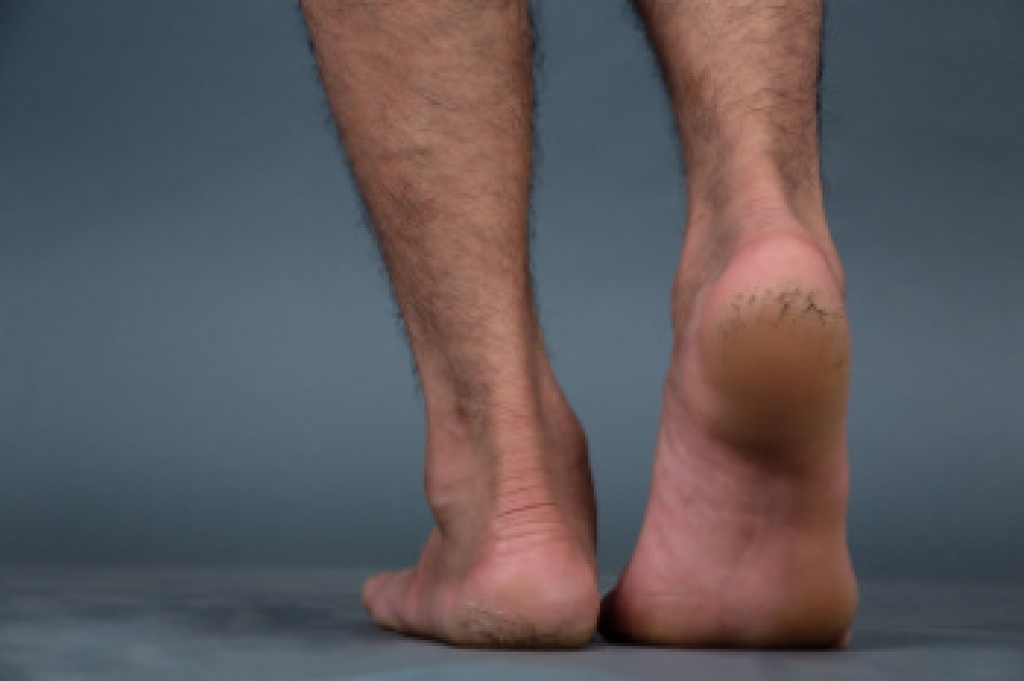
Dry, cracked heels, or heel fissures, often worsen during warm weather due to increased activity and environmental exposure. Open-backed shoes like sandals offer little protection or support for the heel, allowing the skin to dry out and split. Warm temperatures and outdoor activities can lead to more time spent walking barefoot or in thin-soled footwear, which places more pressure on the heel. Excessive sweating followed by rapid evaporation also contributes to skin dryness. Prolonged standing or walking on hard surfaces during summer outings adds to the stress placed on the skin of the feet. Swimmers and beachgoers may experience dry skin from continuous water exposure, which strips the skin of natural oils. A podiatrist can help treat dry, cracked heels and reduce the risk of infection or deeper skin damage. If your heels are cracking, it is suggested that you schedule an appointment with a podiatrist for an exam, diagnosis, and treatment options.

Cracked heels are unsightly and can cause further damage to your shoes and feet. If you have any concerns, contact Pasquale Cancelliere, DPM from Candria Foot and Ankle Specialists. Our doctor can provide the care you need to keep you pain-free and on your feet.

Cracked Heels

Cracked heels appear unappealing and can make it harder for you walk around in sandals. Aside from looking unpleasant, cracked heels can also tear stockings, socks, and wear out your shoes. There are several methods to help restore a cracked heel and prevent further damage.

How Do You Get Them?

Dry skin is the number one culprit in creating cracked heels. Many athletes, walkers, joggers, and even swimmers suffer from cracked heels. Age and skin oil production play a role to getting cracked heels as well.

Promote Healing

Over the counter medicines can help, especially for those that need instant relief or who suffer from chronic dry feet.

Wear Socks – Wearing socks with medicated creams helps lock in moisture.

Moisturizers – Applying both day and night will help alleviate dryness which causes cracking.

Pumice Stones – These exfoliate and remove dead skin, which allows for smoother moisturizer application and better absorption into the skin. 

Change in Diet

Eating healthy with a well-balanced diet will give the skin a fresh and radiant look. Your body responds to the kinds of food you ingest. Omega-3 fatty acids and zinc supplements can also revitalize skin tissue.

Most importantly, seek professional help if unsure how to proceed in treating cracked heels. A podiatrist will help you with any questions or information needed. 

If you have any questions, please feel free to contact our offices located in Londonderry, NH and Salem, NH . We offer the newest diagnostic and treatment technologies for all your foot care needs.

Read more about Solutions for Cracked Heels

Do You Suffer From Painful Feet?

Painful deformities, such as hammertoes, can be treated. Stop living with foot pain, and have beautiful feet again!

scroll to top