
Like us on facebook
Follow us on twitter
review us on google

Information on Foot Stress Fractures

A foot stress fracture is a small crack in one of the bones of the foot caused by repeated pressure or impact over time. Common causes include overuse, repetitive high impact movements such as running or jumping, sudden changes in activity levels, or abnormal foot structure that places extra stress on certain bones. Risk factors include low levels of vitamin D and calcium, a history of previous stress fractures, and participating in sports or activities that strain the feet. Symptoms may include localized pain, swelling, tenderness, and difficulty bearing weight. A podiatrist can accurately diagnose a stress fracture using imaging, provide treatment plans to allow proper healing, recommend protective footwear or orthotics, and guide safe return to activity. If you have signs of a stress fracture, it is suggested that you consult a podiatrist for expert care and recovery guidance.

Activities where too much pressure is put on the feet can cause stress fractures. To learn more, contact Pasquale Cancelliere, DPM from Candria Foot and Ankle Specialists. Our doctor can provide the care you need to keep your pain free and on your feet.

Dealing with Stress Fractures of the Foot and Ankle

Stress fractures occur in the foot and ankle when muscles in these areas weaken from too much or too little use.  The feet and ankles then lose support when walking or running from the impact of the ground. Since there is no protection, the bones receive the full impact of each step. Stress on the feet can cause cracks to form in the bones, thus creating stress fractures.

What Are Stress Fractures?

Stress fractures occur frequently in individuals whose daily activities cause great impact on the feet and ankles. Stress factors are most common among:

  • Runners                                
  • People affected with Osteoporosis
  • Tennis or basketball players
  • Gymnasts
  • High impact workouts

Symptoms

Pain from the fractures occur in the area of the fractures and can be constant or intermittent. It will often cause sharp or dull pain with swelling and tenderness. Engaging in any kind of activity which involves high impact will aggravate pain.

If you have any questions please contact our offices located in Londonderry, NH and Salem, NH . We offer the newest diagnostic and treatment technologies for all your foot and ankle needs.

Read more about Dealing with Stress Fractures of the Foot and Ankle

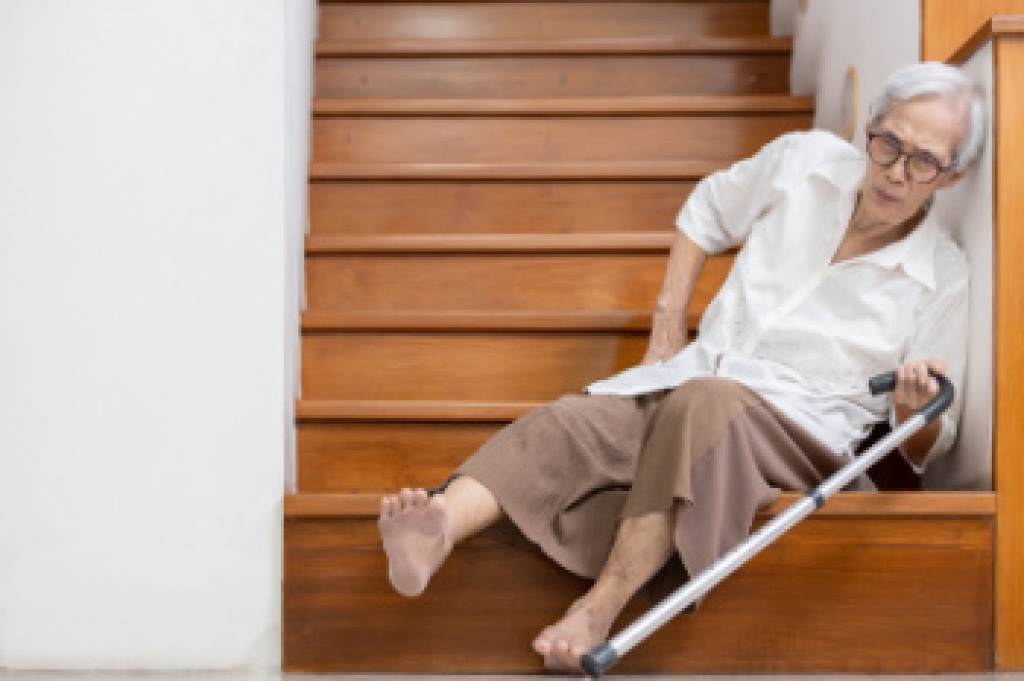
Falls and How to Prevent Them

Slips, trips and falls are common accidents that happen when there is not enough friction between footwear and the surface, or when unexpected obstacles interfere with safe movement. Obstructions on the floor, poor lighting, and limited attention to surroundings can all increase the risk. Preventing these accidents begins with simple habits such as cleaning spills right away, keeping walkways clear, using handrails on stairs, and wearing shoes that provide extra traction. Wearing supportive footwear can greatly reduce instability and improve balance. A podiatrist can identify foot conditions that contribute to unsteady gait, recommend proper footwear, and create a plan to reduce your fall risk. If you have foot or ankle pain from falling, it is suggested that you consult a podiatrist who can treat various foot and ankle conditions, and guide you on additional fall prevention tips.

Preventing falls among the elderly is very important. If you are older and have fallen or fear that you are prone to falling, consult with Pasquale Cancelliere, DPM from Candria Foot and Ankle Specialists. Our doctor will assess your condition and provide you with quality advice and care.

Every 11 seconds, an elderly American is being treated in an emergency room for a fall related injury. Falls are the leading cause of head and hip injuries for those 65 and older. Due to decreases in strength, balance, senses, and lack of awareness, elderly persons are very susceptible to falling. Thankfully, there are a number of things older persons can do to prevent falls.

How to Prevent Falls

Some effective methods that older persons can do to prevent falls include:

  • Enrolling in strength and balance exercise program to increase balance and strength
  • Periodically having your sight and hearing checked
  • Discuss any medications you have with a doctor to see if it increases the risk of falling
  • Clearing the house of falling hazards and installing devices like grab bars and railings
  • Utilizing a walker or cane
  • Wearing shoes that provide good support and cushioning
  • Talking to family members about falling and increasing awareness

Falling can be a traumatic and embarrassing experience for elderly persons; this can make them less willing to leave the house, and less willing to talk to someone about their fears of falling. Doing such things, however, will increase the likelihood of tripping or losing one’s balance. Knowing the causes of falling and how to prevent them is the best way to mitigate the risk of serious injury.  

If you have any questions, please feel free to contact our offices located in Londonderry, NH and Salem, NH . We offer the newest diagnostic and treatment technologies for all your foot care needs.

Read more about Falls Prevention

Comforting Your Feet Through Every Stage of Pregnancy

Pregnancy brings remarkable changes, and the feet often feel these shifts long before anything else. Extra weight, fluid retention, and hormonal changes can lead to swelling, soreness, and a wider foot shape. Some people notice that their arches feel flatter or that their shoes no longer offer the same support. These changes can also increase discomfort in the heels, ankles, and the balls of the feet. Simple steps like elevating the legs, choosing supportive footwear, and stretching gently can ease many symptoms, yet persistent pain should not be overlooked. A podiatrist can evaluate changes in gait, provide guidance on safe support options, and help reduce stress on the feet throughout pregnancy. If foot pain is interfering with daily comfort or mobility during this time, it is suggested that you see a podiatrist for appropriate care.

Pregnant women with swollen feet can be treated with a variety of different methods that are readily available. For more information about other cures for swollen feet during pregnancy, consult with Pasquale Cancelliere, DPM from Candria Foot and Ankle Specialists. Our doctor will attend to all of your foot and ankle needs.

What Foot Problems Can Arise During Pregnancy?

One problem that can occur is overpronation, which occurs when the arch of the foot flattens and tends to roll inward.  This can cause pain and discomfort in your heels while you’re walking or even just standing up, trying to support your baby.  

Another problem is edema, or swelling in the extremities. This often affects the feet during pregnancy but tends to occur in the later stages. 

How Can I Keep My Feet Healthy During Pregnancy?

  • Wearing orthotics can provide extra support for the feet and help distribute weight evenly
  • Minimize the amount of time spent walking barefoot
  • Wear shoes with good arch support
  • Wear shoes that allow for good circulation to the feet
  • Elevate feet if you experience swelling
  • Massage your feet
  • Get regular, light exercise, such as walking, to promote blood circulation to the feet

If you have any questions, please feel free to contact our offices located in Londonderry, NH and Salem, NH . We offer the newest diagnostic and treatment technologies for all your foot care needs.

Read more about Pregnancy and Foot Health

Wounds That Don't Heal Need to Be Checked

Your feet are covered most of the day. If you're diabetic, periodic screening is important for good health. Numbness is often a sign of diabetic foot and can mask a sore or wound.

Causes of Numbness in the Toes

Toe numbness is also known as obdormition, which means when  a part of the body "goes to sleep.” Numbness can be a concerning symptom that affects daily comfort and balance. It may result from peripheral neuropathy, diabetic neuropathy, lower levels of vitamin B12, cardiovascular disease, or certain medications that interfere with nerve function. Numbness can appear as tingling, reduced sensation, or a feeling that the toes are asleep. A podiatrist can identify the underlying cause through a detailed examination, provide treatments to improve nerve health, and recommend lifestyle changes or supportive footwear to enhance circulation and comfort. Early evaluation is important to prevent the condition from progressing. If you are experiencing toe numbness, it is suggested that you consult a podiatrist who can offer effective relief solutions to restore proper sensation. 

Toe pain can disrupt your daily activities. If you have any concerns, contact Pasquale Cancelliere, DPM of Candria Foot and Ankle Specialists. Our doctor can provide the care you need to keep you pain-free and on your feet.

What Causes Toe Pain?

Most severe toe pain is caused due to a sports injury, trauma from dropping something heavy on the toe, or bumping into something rigid. Other problems can develop over time for various reasons.

Toe pain can be caused by one or more ailments. The most common include:

  • Trauma
  • Sports injury
  • Wearing shoes that are too tight
  • Arthritis
  • Gout
  • Corns and calluses
  • Hammertoe
  • Bunions
  • Blisters
  • Ingrown toenails
  • Sprains
  • Fractures (broken bones)
  • Dislocations

When to See a Podiatrist

  • Severe pain
  • Persistent pain that lasts more than a week
  • Signs of infection
  • Continued swelling
  • Pain that prevents walking

Diagnosis

In many cases the cause of toe pain is obvious, but in others, a podiatrist may want to use more advanced methods to determine the problem. These can range from simple visual inspections and sensation tests to X-rays and MRI scans. Prior medical history, family medical history, and any recent physical traumatic events will all be taken into consideration for a proper diagnosis.

Treatment

Treatments for toe pain and injuries vary and may include shoe inserts, padding, taping, medicines, injections, and in some cases, surgery. If you believe that you have broken a toe, please see a podiatrist as soon as possible.

If you have any questions please contact our offices located in Londonderry, NH and Salem, NH . We offer the newest diagnostic and treatment technologies for all your foot and ankle needs.

Read more about Toe Pain
scroll to top