Like us on facebook
Follow us on twitter
review us on google

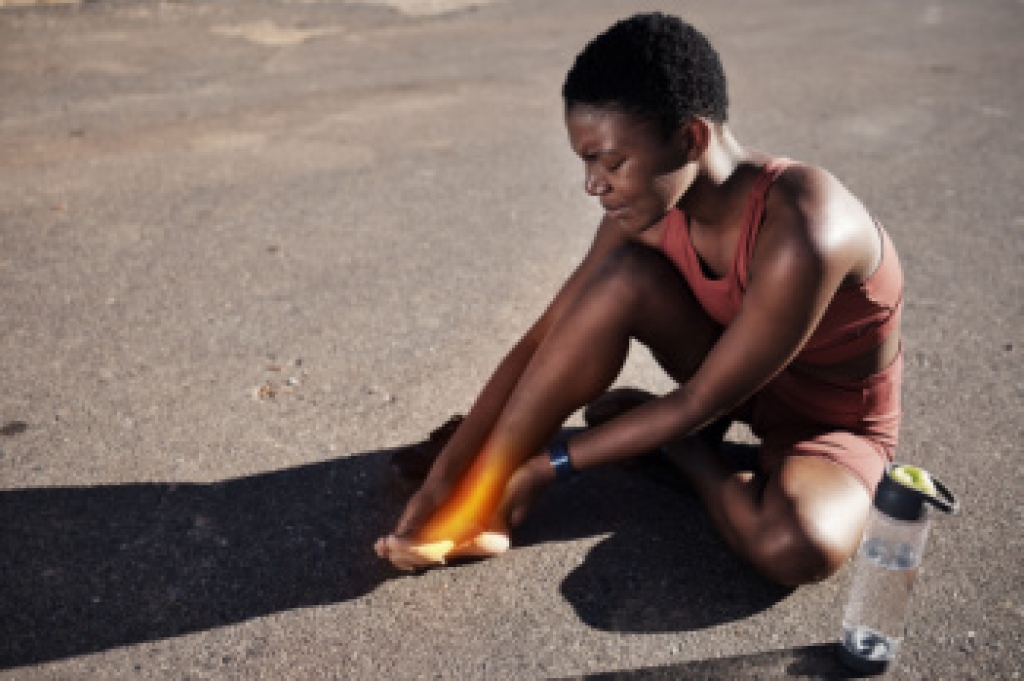
Ankle and Foot Injuries in Baseball

Baseball demands agility, speed, and precise footwork, placing significant strain on the lower extremities, particularly the ankles and feet. Ankle sprains, one of the most prevalent injuries, occur when the ligaments supporting the ankle are overstretched or torn due to sudden twists or impacts. Additionally, conditions like Achilles tendonitis and plantar fasciitis can arise from repetitive stress or inadequate foot support, causing pain and discomfort. To prevent these injuries, players should prioritize proper warm-up exercises to prepare muscles and joints for the demands of the game. Wearing well-fitted, supportive footwear designed for baseball can enhance stability and reduce the risk of injury. Maintaining good conditioning and flexibility through regular strength and flexibility training can improve overall resilience. Emphasizing proper technique, such as avoiding over-striding or landing awkwardly, can also help minimize the risk of ankle and foot injuries. If you have injured your foot or ankle while playing baseball, it is suggested that you visit a podiatrist for an accurate diagnosis and relief tips.

Sports related foot and ankle injuries require proper treatment before players can go back to their regular routines. For more information, contact Pasquale Cancelliere, DPM of Candria Foot and Ankle Specialists. Our doctor can provide the care you need to keep you pain-free and on your feet.

Sports Related Foot and Ankle Injuries

Foot and ankle injuries are a common occurrence when it comes to athletes of any sport. While many athletes dismiss the initial aches and pains, the truth is that ignoring potential foot and ankle injuries can lead to serious problems. As athletes continue to place pressure and strain the area further, a mild injury can turn into something as serious as a rupture and may lead to a permanent disability. There are many factors that contribute to sports related foot and ankle injuries, which include failure to warm up properly, not providing support or wearing bad footwear. Common injuries and conditions athletes face, including:

  • Plantar Fasciitis
  • Achilles Tendinitis
  • Achilles Tendon Rupture
  • Ankle Sprains

Sports related injuries are commonly treated using the RICE method. This includes rest, applying ice to the injured area, compression and elevating the ankle. More serious sprains and injuries may require surgery, which could include arthroscopic and reconstructive surgery. Rehabilitation and therapy may also be required in order to get any recovering athlete to become fully functional again. Any unusual aches and pains an athlete sustains must be evaluated by a licensed, reputable medical professional.

If you have any questions please contact our offices located in Londonderry, NH and Salem, NH . We offer the newest diagnostic and treatment technologies for all your foot and ankle needs.
Read more about Sports Related Foot And Ankle Injuries

Problematic Flat Feet

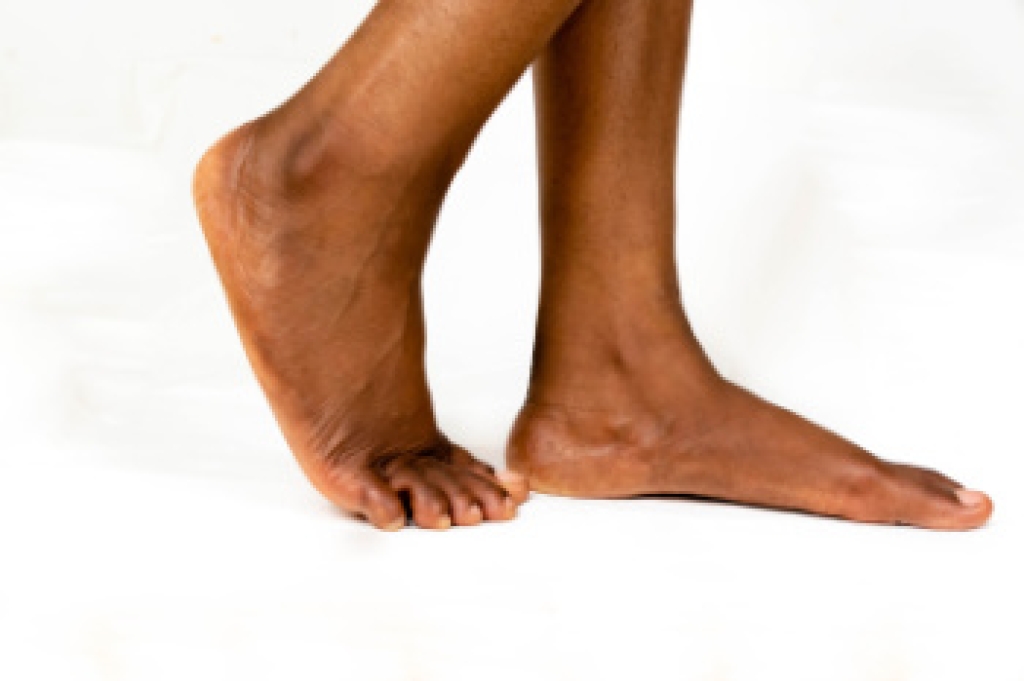
Flat feet, or pes planus, is a condition where the arch of the foot collapses, causing the entire sole to touch the ground. There are two types of flat feet. Flexible flat feet is where the arch appears when the foot is off the ground but flattens when bearing weight. Rigid flat feet is where the arch remains flattened regardless of weight-bearing. Symptoms can include pain, swelling, and fatigue in the feet, ankles, or lower legs. Causes range from genetics and aging to injury, obesity, or conditions like arthritis or diabetes. Flat feet can lead to overpronation, increasing the risk of injuries like plantar fasciitis or shin splints. Diagnosis involves physical examination and sometimes imaging tests like X-rays or CT scans. Treatment options include custom orthotic devices, supportive footwear, stretching exercises, and in severe cases, surgery. With proper management, most individuals with flat feet can lead active lives without significant limitations. If you have flat feet that are causing discomfort, it is suggested that you schedule an appointment with a podiatrist for relief options.

Flatfoot is a condition many people suffer from. If you have flat feet, contact Pasquale Cancelliere, DPM from Candria Foot and Ankle Specialists. Our doctor will treat your foot and ankle needs.

What Are Flat Feet?

Flatfoot is a condition in which the arch of the foot is depressed and the sole of the foot is almost completely in contact with the ground. About 20-30% of the population generally has flat feet because their arches never formed during growth.

Conditions & Problems:

Having flat feet makes it difficult to run or walk because of the stress placed on the ankles.

Alignment – The general alignment of your legs can be disrupted, because the ankles move inward which can cause major discomfort.

Knees – If you have complications with your knees, flat feet can be a contributor to arthritis in that area.  

Symptoms

  • Pain around the heel or arch area
  • Trouble standing on the tip toe
  • Swelling around the inside of the ankle
  • Flat look to one or both feet
  • Having your shoes feel uneven when worn

Treatment

If you are experiencing pain and stress on the foot you may weaken the posterior tibial tendon, which runs around the inside of the ankle. 

If you have any questions, please feel free to contact our offices located in Londonderry, NH and Salem, NH . We offer the newest diagnostic and treatment technologies for all your foot care needs.

Read more about Flat Feet

Diagnosis and Treatment of Morton’s Neuroma

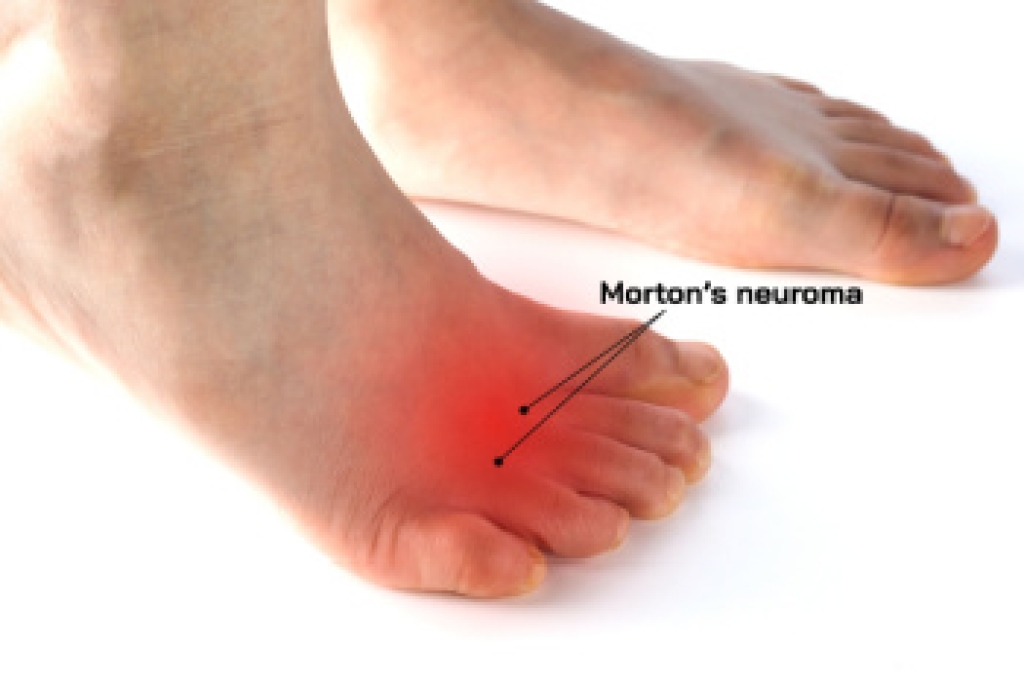
Morton's neuroma is a painful condition characterized by a thickening of the tissue surrounding the nerves leading to the toes, often resulting in a sensation akin to stepping on a pebble. It primarily affects the ball of the foot, typically between the third and fourth toes, and is more common in women and those who wear tight or high-heeled shoes. Prevention strategies include wearing properly fitting footwear with adequate support and cushioning. Diagnosis involves a physical examination, possibly supplemented by imaging tests, such as MRI scans or ultrasounds. Treatment options range from conservative measures such as custom-made orthotics and steroid injections to surgical removal of the affected tissue. If you have this type of foot discomfort, it is suggested that you schedule an appointment with a podiatrist for an accurate diagnosis and treatment plan.

Morton’s neuroma is a very uncomfortable condition to live with. If you think you have Morton’s neuroma, contact Pasquale Cancelliere, DPM of Candria Foot and Ankle Specialists. Our doctor will attend to all of your foot care needs and answer any of your related questions.  

Morton’s Neuroma

Morton's neuroma is a painful foot condition that commonly affects the areas between the second and third or third and fourth toe, although other areas of the foot are also susceptible. Morton’s neuroma is caused by an inflamed nerve in the foot that is being squeezed and aggravated by surrounding bones.

What Increases the Chances of Having Morton’s Neuroma?

  • Ill-fitting high heels or shoes that add pressure to the toe or foot
  • Jogging, running or any sport that involves constant impact to the foot
  • Flat feet, bunions, and any other foot deformities

Morton’s neuroma is a very treatable condition. Orthotics and shoe inserts can often be used to alleviate the pain on the forefront of the feet. In more severe cases, corticosteroids can also be prescribed. In order to figure out the best treatment for your neuroma, it’s recommended to seek the care of a podiatrist who can diagnose your condition and provide different treatment options.

If you have any questions, please feel free to contact our offices located in Londonderry, NH and Salem, NH . We offer the newest diagnostic and treatment technologies for all your foot care needs.

Read more about Morton's Neuroma

Foot Pain From Sciatica

Sciatica is a condition characterized by pain that radiates along the sciatic nerve, which runs from the lower back down through the buttocks and into each leg. When the sciatic nerve becomes compressed or irritated, it can lead to various symptoms, including sharp, shooting pain, tingling, numbness, or weakness in the lower back, buttocks, legs, and feet. In some cases, sciatica can also cause toe pain, often described as a burning sensation or electric shock-like discomfort. This toe pain may result from nerve compression affecting the branches of the sciatic nerve that innervate the feet and toes. A podiatrist can play a vital role in managing sciatica-related foot pain by conducting a comprehensive evaluation to identify contributing factors, providing treatments to alleviate symptoms such as orthotic devices, and coordinating care with other healthcare providers as needed for optimal pain management and functional improvement.

Foot Pain

Foot pain can be extremely painful and debilitating. If you have a foot pain, consult with Pasquale Cancelliere, DPM from Candria Foot and Ankle Specialists. Our doctor will assess your condition and provide you with quality foot and ankle treatment.

Causes

Foot pain is a very broad condition that could be caused by one or more ailments. The most common include:

  • Bunions
  • Hammertoes
  • Plantar Fasciitis
  • Bone Spurs
  • Corns
  • Tarsal Tunnel Syndrome
  • Ingrown Toenails
  • Arthritis (such as Gout, Rheumatoid, and Osteoarthritis)
  • Flat Feet
  • Injury (from stress fractures, broken toe, foot, ankle, Achilles tendon ruptures, and sprains)
  • And more

Diagnosis

To figure out the cause of foot pain, podiatrists utilize several different methods. This can range from simple visual inspections and sensation tests to X-rays and MRI scans. Prior medical history, family medical history, and any recent physical traumatic events will all be taken into consideration for a proper diagnosis.

Treatment

Treatment depends upon the cause of the foot pain. Whether it is resting, staying off the foot, or having surgery; podiatrists have a number of treatment options available for foot pain.

If you have any questions, please feel free to contact our offices located in Londonderry, NH and Salem, NH . We offer the newest diagnostic and treatment technologies for all your foot care needs.

Read more about Foot Pain

How Plantar Warts Are Treated

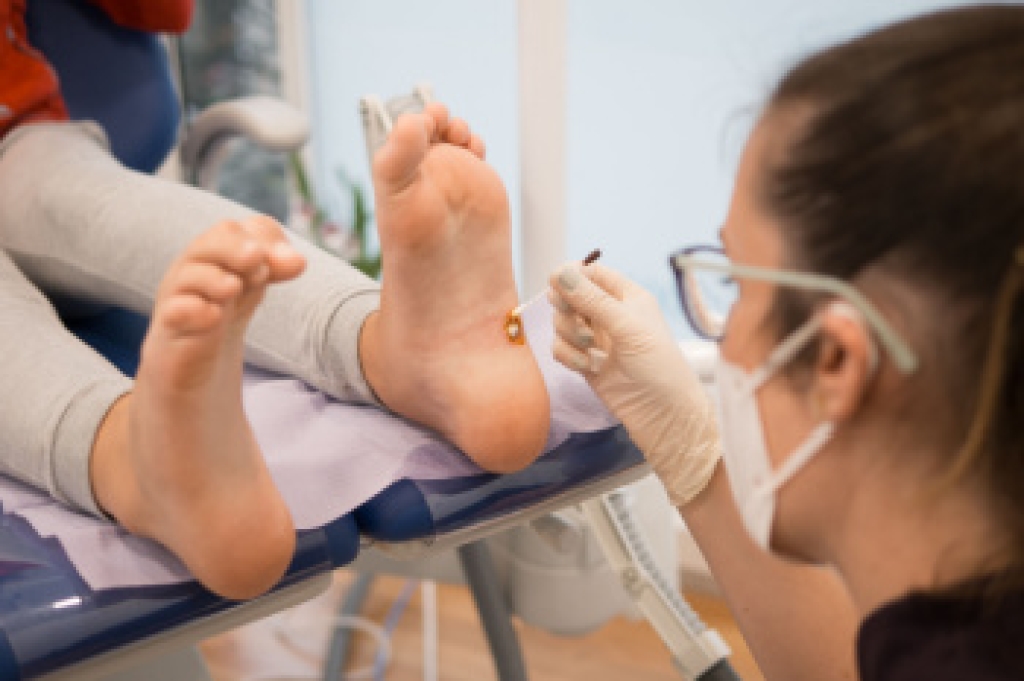
Plantar warts are caused by the human papillomavirus, or HPV, infecting the skin on the bottom of the feet. These highly contagious warts can be both uncomfortable and persistent. Treatment options vary and may include remedies like salicylic acid, which gradually peels away the wart. A podiatrist, or foot doctor, may suggest more advanced solutions for warts that are more resistant to treatment. Some possible treatments include cryotherapy, which uses liquid nitrogen to freeze and kill the wart tissue, or laser treatment, which destroys the wart with focused light energy. In some cases, minor surgical removal may be necessary, especially for deeper or more stubborn warts. Podiatrists can also provide guidance on preventing the spread of the virus and managing discomfort during the treatment process. If you are struggling with plantar warts, it is suggested that you make an appointment with a podiatrist to discuss treatment options.

Plantar warts can be very uncomfortable. If you need your feet checked, contact Pasquale Cancelliere, DPM from Candria Foot and Ankle Specialists. Our doctor will assist you with all of your foot and ankle needs.

About Plantar Warts

Plantar warts are the result of HPV, or human papillomavirus, getting into open wounds on the feet. They are mostly found on the heels or balls of the feet.

While plantar warts are generally harmless, those experiencing excessive pain or those suffering from diabetes or a compromised immune system require immediate medical care. Plantar warts are easily diagnosed, usually through scraping off a bit of rough skin or by getting a biopsy.

Symptoms

  • Lesions on the bottom of your feet, usually rough and grainy
  • Hard or thick callused spots
  • Wart seeds, which are small clotted blood vessels that look like little black spots
  • Pain, discomfort, or tenderness of your feet when walking or standing

Treatment

  • Freezing
  • Electric tool removal
  • Laser Treatment
  • Topical Creams (prescription only)
  • Over-the-counter medications

To help prevent developing plantar warts, avoid walking barefoot over abrasive surfaces that can cause cuts or wounds for HPV to get into. Avoiding direct contact with other warts, as well as not picking or rubbing existing warts, can help prevent the further spread of plantar warts. However, if you think you have developed plantar warts, speak to your podiatrist. He or she can diagnose the warts on your feet and recommend the appropriate treatment options.

If you have any questions, please feel free to contact our offices located in Londonderry, NH and Salem, NH . We offer the newest diagnostic and treatment technologies for all your foot care needs.

Read more about All About Plantar Warts
scroll to top