
Like us on facebook
Follow us on twitter
review us on google

Ways to Help Prevent Falling

Studies show that falling is the No. 1 cause of injury-related deaths in people ages 65 and older. Experts believe that it may be possible to help prevent falling by addressing three concerns. They are weak stabilizer muscles, poor core strength, and balance problems. Strengthening stabilizer muscles in the hips and core muscles in the abdomen improves the ability to stand up and move. Balance, reflexes and coordination diminish over time, which makes it easier to trip and reduces the ability to catch yourself if you do. Staying active is a good way to prevent falling, as a sedentary lifestyle further weakens the muscles. Performing a series of exercises to rebuild the strength in weakened muscles can help. In addition, exercises to improve balance can help with stability. Falls also may be caused by other physical ailments, such as arthritis, peripheral neuropathy, and vision problems. Any of these conditions can further increase the risk of falling. For guidance and information on suitable methods to help prevent falls, it is suggested that you consult a podiatrist.

Preventing falls among the elderly is very important. If you are older and have fallen or fear that you are prone to falling, consult with Pasquale Cancelliere, DPM from Candria Foot and Ankle Specialists. Our doctor will assess your condition and provide you with quality advice and care.

Every 11 seconds, an elderly American is being treated in an emergency room for a fall related injury. Falls are the leading cause of head and hip injuries for those 65 and older. Due to decreases in strength, balance, senses, and lack of awareness, elderly persons are very susceptible to falling. Thankfully, there are a number of things older persons can do to prevent falls.

How to Prevent Falls

Some effective methods that older persons can do to prevent falls include:

  • Enrolling in strength and balance exercise program to increase balance and strength
  • Periodically having your sight and hearing checked
  • Discuss any medications you have with a doctor to see if it increases the risk of falling
  • Clearing the house of falling hazards and installing devices like grab bars and railings
  • Utilizing a walker or cane
  • Wearing shoes that provide good support and cushioning
  • Talking to family members about falling and increasing awareness

Falling can be a traumatic and embarrassing experience for elderly persons; this can make them less willing to leave the house, and less willing to talk to someone about their fears of falling. Doing such things, however, will increase the likelihood of tripping or losing one’s balance. Knowing the causes of falling and how to prevent them is the best way to mitigate the risk of serious injury.  

If you have any questions, please feel free to contact our offices located in Londonderry, NH and Salem, NH . We offer the newest diagnostic and treatment technologies for all your foot care needs.
Read more about Falls Prevention

Hammertoe Surgery

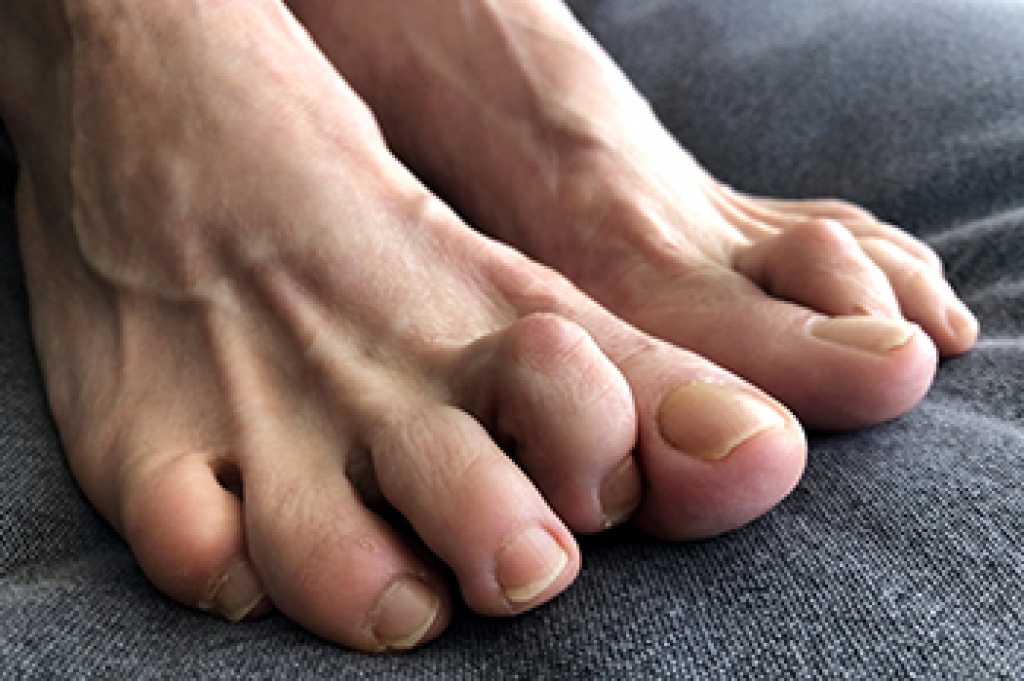
A hammertoe occurs when one of the three middle toes bends upward at the middle joint. Corns and calluses that can develop on the hammertoe can make wearing shoes and walking uncomfortable. If lifestyle changes, such as wearing wider shoes, using shoe inserts, or doing stretching and strengthening toe exercises do not help, surgery can be considered to correct a hammertoe. Hammertoe surgery is not a good option for those who have poor circulation in their feet, have a foot infection, or have other health problems making surgery a risk. If considered a good candidate for this surgery, it is typically a procedure that can be done as an outpatient under general anesthesia or using numbing medications. If the hammertoe is still somewhat flexible, a tendon transfer involving redirecting tendons from the bottom of the toe to the top where it is bent can be done to straighten the toe. If the hammertoe is fixed or rigid, a joint resection or fusion can be done. Joint resection is when tendons and ligaments are cut to help straighten the toe and the end of the bone is cut off so the toe can be fully extended. In fusion surgery, the ligaments and tendons are also cut but the two bones forming the affected joint are also cut for straightening the toe. If you have a painful hammertoe, it is suggested that you make an appointment with a podiatrist to see if more conservative treatment is possible or whether surgery is an option for you.

Foot surgery is sometimes necessary to treat a foot ailment. To learn more, contact Pasquale Cancelliere, DPM of Candria Foot and Ankle Specialists. Our doctor will assist you with all of your foot and ankle needs.

When Is Surgery Necessary?

Foot and ankle surgery is generally reserved for cases in which less invasive, conservative procedures have failed to alleviate the problem. Some of the cases in which surgery may be necessary include:

  • Removing foot deformities like bunions and bone spurs
  • Severe arthritis that has caused bone issues
  • Cosmetic reconstruction

What Types of Surgery Are There?

The type of surgery you receive will depend on the nature of the problem you have. Some of the possible surgeries include:

  • Bunionectomy for painful bunions
  • Surgical fusion for realignment of bones
  • Neuropathy decompression surgery to treat nerve damage

Benefits of Surgery

Although surgery is usually a last resort, it can provide more complete pain relief compared to non-surgical methods and may allow you to finally resume full activity.

Surgical techniques have also become increasingly sophisticated. Techniques like endoscopic surgery allow for smaller incisions and faster recovery times.

If you have any questions, please feel free to contact our offices located in Londonderry, NH and Salem, NH . We offer the newest diagnostic and treatment technologies for all your foot care needs.

Read more about Foot Surgery

How Is a Broken Ankle Diagnosed?

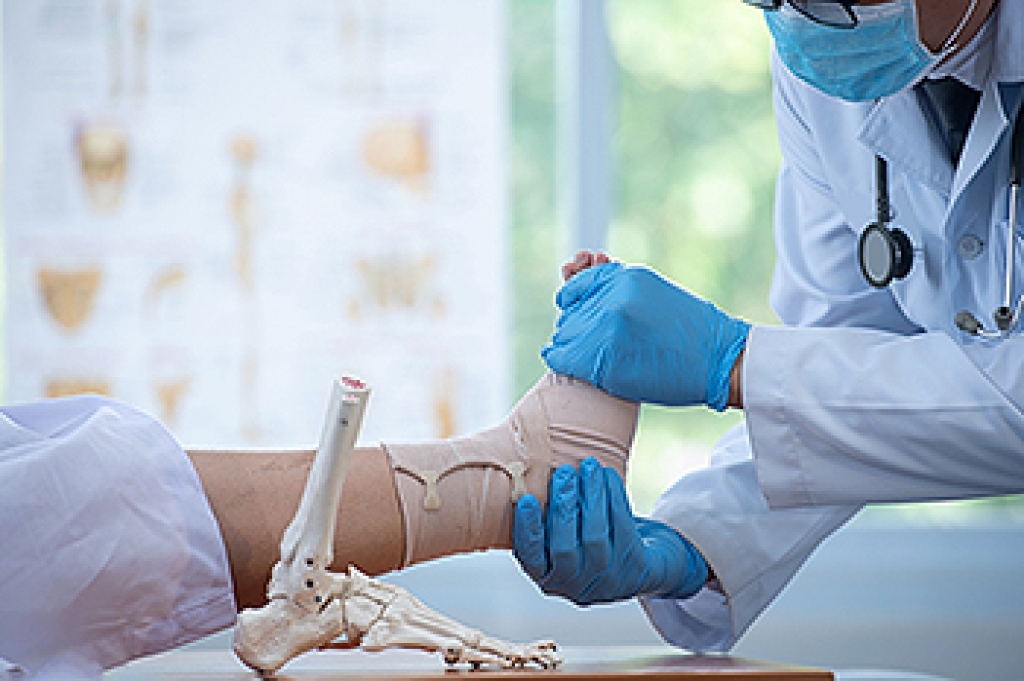
There is no doubting what happens when a broken ankle occurs. This foot condition happens suddenly and is accompanied by extreme pain and discomfort. It is often difficult, if not impossible, to walk, and immediate medical attention is often sought for relief. The ankle is composed of three bones. The tibia is the large bone in the lower leg, referred to as the shinbone. The calf bone is called the fibula and is the smaller bone in the lower leg. The bone found between the heel bone, tibia, and fibula is known as the talus, and any of these bones can be fractured in the ankle. A diagnosis is often performed that can consist of having an X-ray taken, which successfully determines the severity of the injury. It is beneficial to keep weight off the foot as much as possible and wear a protective boot or cast. Many people use crutches to help provide mobility until the healing process has been completed. If you have broken your ankle, it is suggested that you contact a podiatrist as quickly as possible who can effectively treat this condition.

Broken ankles need immediate treatment. If you are seeking treatment, contact Pasquale Cancelliere, DPM from Candria Foot and Ankle Specialists. Our doctor can provide the care you need to keep you pain-free and on your feet. 

Broken Ankles
A broken ankle is experienced when a person fractures their tibia or fibula in the lower leg and ankle area. Both of these bones are attached at the bottom of the leg and combine to form what we know to be our ankle.

When a physician is referring to a break of the ankle, he or she is usually referring to a break in the area where the tibia and fibula are joined to create our ankle joint. Ankles are more prone to fractures because the ankle is an area that suffers a lot of pressure and stress. There are some obvious signs when a person experiences a fractured ankle, and the following symptoms may be present.

Symptoms of a Fractured Ankle

  • Excessive pain when the area is touched or when any pressure is placed on the ankle
  • Swelling around the area
  • Bruising of the area
  • Area appears to be deformed

If you suspect an ankle fracture, it is recommended to seek treatment as soon as possible. The sooner you have your podiatrist diagnose the fracture, the quicker you’ll be on the way towards recovery.

If you have any questions, please feel free to contact our offices located in Londonderry, NH and Salem, NH . We offer the newest diagnostic and treatment technologies for all your foot care needs.

Read more about All About Broken Ankles
scroll to top