Like us on facebook
Follow us on twitter
review us on google

Finding Shoes for Trail Running

Trail running is an exhilarating activity that invites people of all preferences and ideologies to explore nature's paths. And with the right pair of shoes, anyone can conquer the trails with confidence. Before purchasing trail running shoes, there are two vital considerations to keep in mind. These can include your foot type and the terrain you will be tackling. First, understanding your foot type is essential for finding the perfect fit. Consider factors like the stiffness or pliability of the shoe, whether you need a neutral or stable base, and if you require a wide or narrow fit. Additionally, think about the heel to toe drop that suits your running style best. Equally important is selecting shoes tailored to the terrain you will be traversing. Such factors include trails with uneven surfaces, smoother paths with gentle inclines, water crossings, or dryer routes. If you have experienced foot, toe, or ankle pain as the result of trail running, you may benefit from a gait analysis and thorough examination of your feet and shoes. It is suggested that you schedule an appointment with a podiatrist for further guidance.  

You should always make sure your running shoes fit properly in order to avoid injury. For more information, contact Pasquale Cancelliere, DPM from Candria Foot and Ankle Specialists. Our doctor can provide the care you need to keep you pain-free and on your feet.

Choosing the Right Running Shoe for Your Foot Type

Improper shoe sizing can cause a myriad of problems for your feet. Shoes that don’t fit you properly can lead to muscular imbalances in your body, which can result in foot, knee, and hip injuries.

Tips for Finding the Right Running Shoe

  • Make sure you have a thumb’s width of wiggle room between the end of your longest toe and the front of the shoe.
  • There should be little to no slipping at the heel
  • Don’t assume your size in one shoe brand will be your size in another
  • Do not lace up your shoes too tightly
  • Walk around in the store with your new shoes before you buy them

If you have any questions, please feel free to contact our offices located in Londonderry, NH and Salem, NH . We offer the newest diagnostic and treatment technologies for all your foot care needs.
Read more about Choosing the Right Running Shoe

Who Is Most at Risk to Develop Bunions

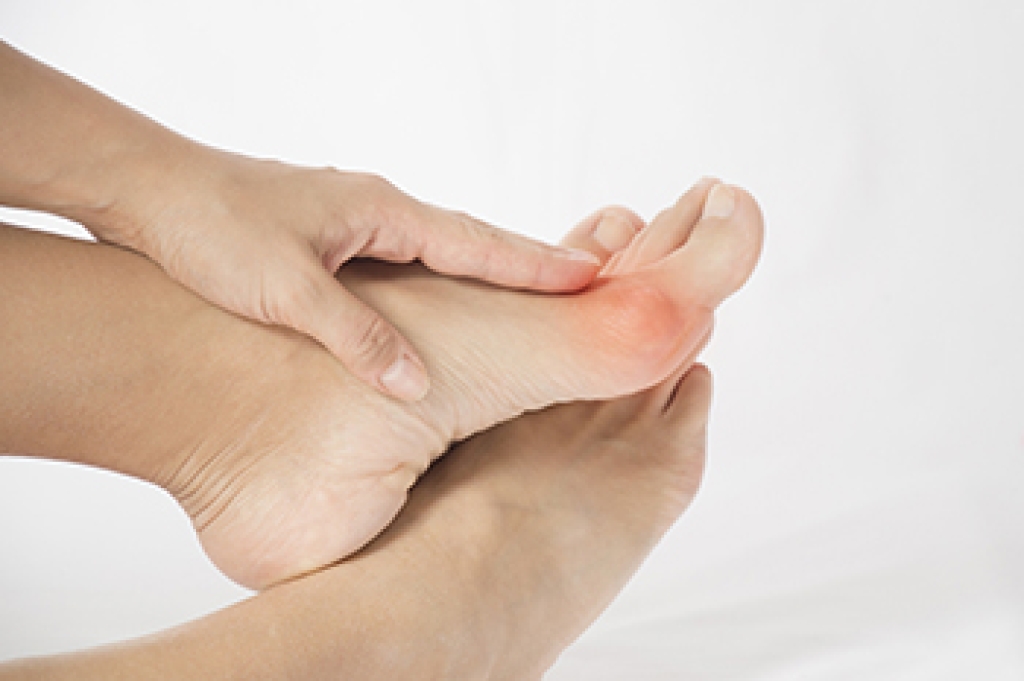
Bunions, bony protrusions at the big toe joints, can develop due to a variety of factors. While there are lifestyle factors that can contribute, you are more likely to develop bunions if they run in the family, and if you have a certain foot structure. Wearing narrow and ill-fitting shoes increases the chance of bunion formation. Other risk factors for bunions include foot injuries, deformities, activities that place repetitive stress on the feet, or conditions such as arthritis. You can take preventive measures against bunion formation, such as wearing comfortable shoes with adequate toe space and low heels. However, if you already have bunions, they cannot be reversed except through surgery. If you are experiencing pain from bunions, or if you want to address potential risks, it is suggested you consult with a podiatrist who can guide you toward an appropriate treatment plan.

If you are suffering from bunion pain, contact Pasquale Cancelliere, DPM of Candria Foot and Ankle Specialists. Our doctor can provide the care you need to keep you pain-free and on your feet.

What Is a Bunion?

Bunions are painful bony bumps that usually develop on the inside of the foot at the joint of the big toe. As the deformity increases over time, it may become painful to walk and wear shoes. Women are more likely to exacerbate existing bunions since they often wear tight, narrow shoes that shift their toes together. Bunion pain can be relieved by wearing wider shoes with enough room for the toes.

Causes

  • Genetics – some people inherit feet that are more prone to bunion development
  • Inflammatory Conditions - rheumatoid arthritis and polio may cause bunion development

Symptoms

  • Redness and inflammation
  • Pain and tenderness
  • Callus or corns on the bump
  • Restricted motion in the big toe

In order to diagnose your bunion, your podiatrist may ask about your medical history, symptoms, and general health. Your doctor might also order an x-ray to take a closer look at your feet. Nonsurgical treatment options include orthotics, padding, icing, changes in footwear, and medication. If nonsurgical treatments don’t alleviate your bunion pain, surgery may be necessary.

If you have any questions, please feel free to contact our offices located in Londonderry, NH and Salem, NH . We offer the newest diagnostic and treatment technologies for all your foot care needs.

Read more about Bunions

Ankle Fracture? Don’t Wait for Treatment

If you're suffering from an ankle fracture, professional attention shouldn't wait. Fractures may worsen over time and can make completing everyday activities incredibly difficult. See your specialist for treatment and guidance through the healing process. 

Gentle Exercises for Foot Arthritis

Foot arthritis, a condition marked by inflammation of the joints, can be challenging, but incorporating targeted exercises into your routine can offer relief and improve mobility. Toe taps, where you gently tap your toes on the floor, promote flexibility and circulation in the joints. Ankle circles, rotating your ankles in both directions, can help to maintain joint mobility. Towel curls involve scrunching a towel with your toes, which can strengthen the muscles in your feet. Toe stretches, where you use your hands to gently stretch your toes, can alleviate tension. Additionally, calf stretches and heel raises contribute to overall foot strength and stability. Water exercises, such as gentle swimming or water aerobics, provide a low-impact yet effective workout. It is important to be consistent as these gentle exercises can play a significant role in managing foot arthritis, fostering flexibility, and enhancing the overall well-being of your feet. If you would like to learn about additional stretches that can help foot arthritis, it is suggested that you consult a podiatrist.

Arthritis can be a difficult condition to live with. If you are seeking treatment, contact Pasquale Cancelliere, DPM from Candria Foot and Ankle Specialists. Our doctor can provide the care you need to keep you pain-free and on your feet.

Arthritic Foot Care  

Arthritis is a term that is commonly used to describe joint pain.  The condition itself can occur to anyone of any age, race, or gender, and there are over 100 types of it.  Nevertheless, arthritis is more commonly found in women compared to men, and it is also more prevalent in those who are overweight. The causes of arthritis vary depending on which type of arthritis you have. Osteoarthritis for example, is often caused by injury, while rheumatoid arthritis is caused by a misdirected immune system.

Symptoms

  • Swelling
  • Pain
  • Stiffness
  • Decreased Range of Motion

Arthritic symptoms range in severity, and they may come and go. Some symptoms stay the same for several years but could potentially get worse with time. Severe cases of arthritis can prevent its sufferers from performing daily activities and make walking difficult.

Risk Factors

  • Occupation – Occupations requiring repetitive knee movements have been linked to osteoarthritis
  • Obesity – Excess weight can contribute to osteoarthritis development
  • Infection – Microbial agents can infect the joints and trigger arthritis
  • Joint Injuries – Damage to joints may lead to osteoarthritis
  • Age – Risk increases with age
  • Gender –Most types are more common in women
  • Genetics – Arthritis can be hereditary

If you suspect your arthritis is affecting your feet, it is crucial that you see a podiatrist immediately. Your doctor will be able to address your specific case and help you decide which treatment method is best for you.

If you have any questions please feel free to contact our offices located in Londonderry, NH and Salem, NH . We offer the newest diagnostic tools and technology to treat your foot and ankle needs.

Read more about How to Care for Your Arthritic Foot

Indications of Toe Arthritis

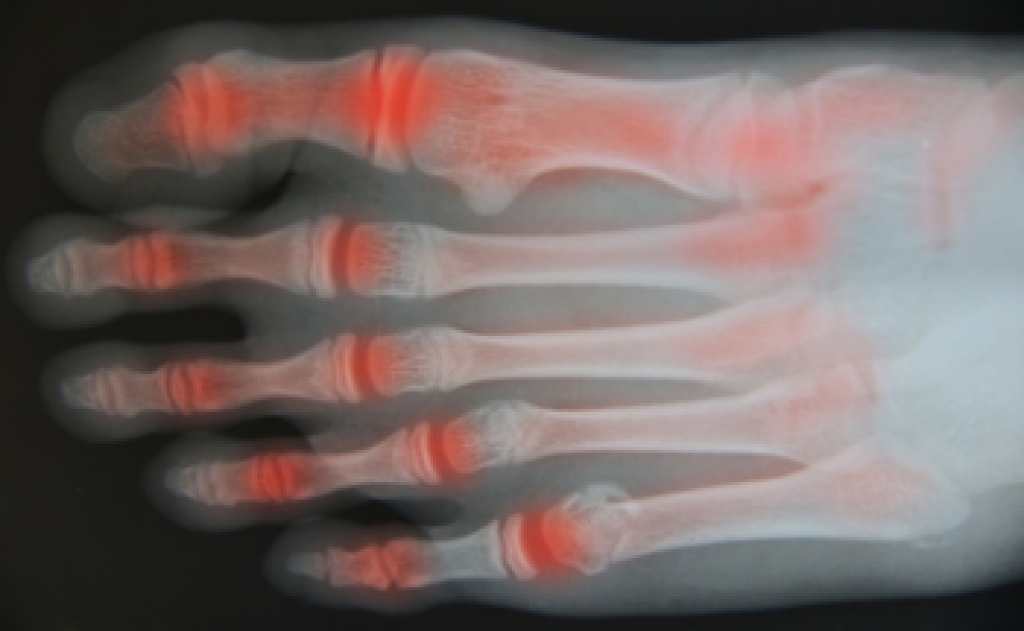
Toe arthritis, a condition causing inflammation in the joints of the toes, has a range of symptoms, offering insight into its presence. Most commonly, individuals experience pain, swelling, and stiffness in the affected toes, often intensifying with movement. As arthritis progresses, the joints may lose flexibility, impeding regular toe movements. A notable sign is the development of a grinding sensation or audible cracking when the affected toes are in motion. The condition can also lead to changes in the toe's appearance, such as deformities or the formation of bunions. As arthritis takes its toll, daily activities, like walking or standing, may become increasingly challenging. Recognizing these subtle yet significant indicators enables individuals to seek timely medical attention. If you have toe pain, it is strongly suggested that you visit a podiatrist who can accurately diagnose toe arthritis and offer appropriate treatment options.

Toe pain can disrupt your daily activities. If you have any concerns, contact Pasquale Cancelliere, DPM of Candria Foot and Ankle Specialists. Our doctor can provide the care you need to keep you pain-free and on your feet.

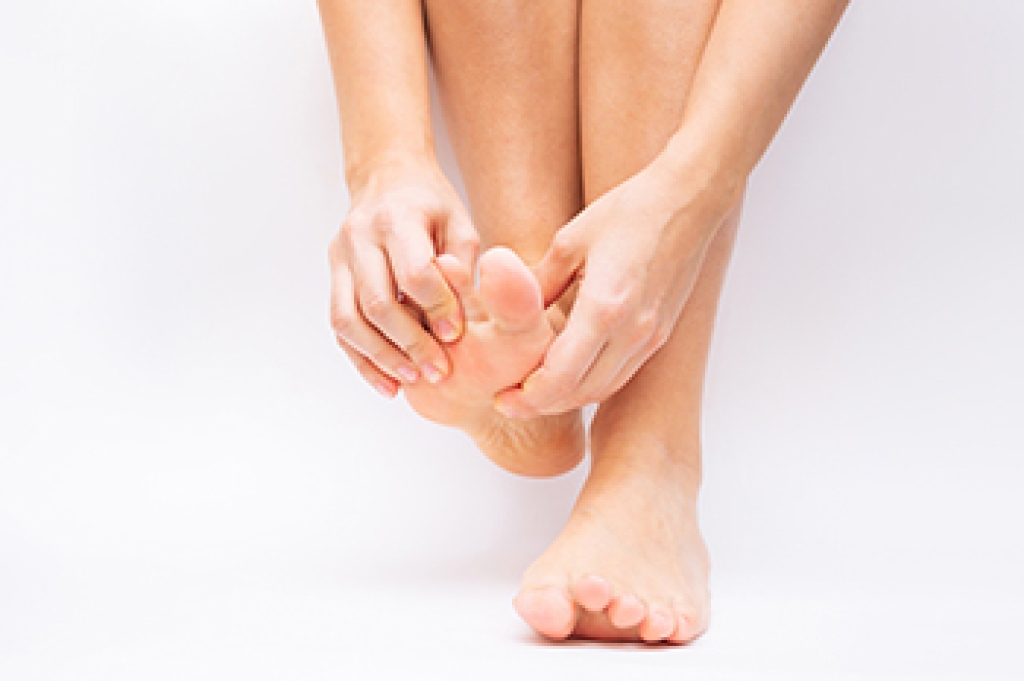
What Causes Toe Pain?

Most severe toe pain is caused due to a sports injury, trauma from dropping something heavy on the toe, or bumping into something rigid. Other problems can develop over time for various reasons.

Toe pain can be caused by one or more ailments. The most common include:

  • Trauma
  • Sports injury
  • Wearing shoes that are too tight
  • Arthritis
  • Gout
  • Corns and calluses
  • Hammertoe
  • Bunions
  • Blisters
  • Ingrown toenails
  • Sprains
  • Fractures (broken bones)
  • Dislocations

When to See a Podiatrist

  • Severe pain
  • Persistent pain that lasts more than a week
  • Signs of infection
  • Continued swelling
  • Pain that prevents walking

Diagnosis

In many cases the cause of toe pain is obvious, but in others, a podiatrist may want to use more advanced methods to determine the problem. These can range from simple visual inspections and sensation tests to X-rays and MRI scans. Prior medical history, family medical history, and any recent physical traumatic events will all be taken into consideration for a proper diagnosis.

Treatment

Treatments for toe pain and injuries vary and may include shoe inserts, padding, taping, medicines, injections, and in some cases, surgery. If you believe that you have broken a toe, please see a podiatrist as soon as possible.

If you have any questions please contact our offices located in Londonderry, NH and Salem, NH . We offer the newest diagnostic and treatment technologies for all your foot and ankle needs.

Read more about Toe Pain
scroll to top