Like us on facebook
Follow us on twitter
review us on google

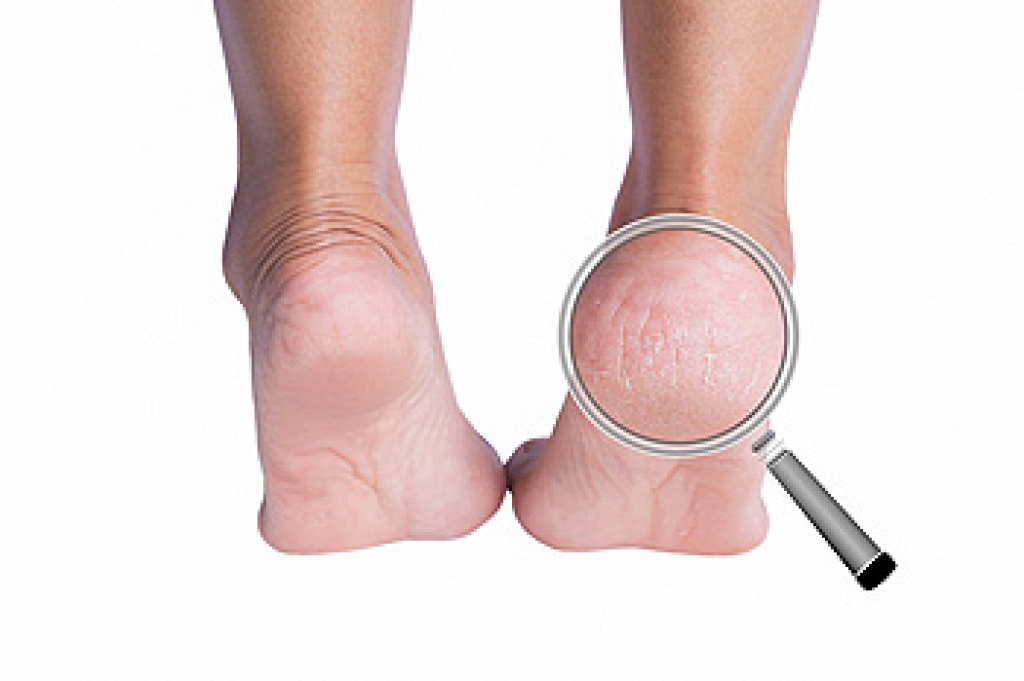
Exploring Underlying Causes of Cracked Heels

Cracked heels, a common foot woe, often disrupts the smoothness of our soles and serves as a visual cue of underlying issues. Dry, flaky skin on the heels is typically the first sign, progressing into painful fissures if left unaddressed. The causes of cracked heels are multifaceted, encompassing factors such as prolonged standing, obesity, and wearing poorly fitted shoes that contribute to increased pressure on the feet. Dry and harsh weather conditions strip the skin of its natural moisture, exacerbating the problem. Lack of proper foot care, inadequate hydration, and certain medical conditions, like diabetes or thyroid disorders, can also play a role. Additionally, an insufficient intake of vitamins and minerals, particularly zinc and omega-3 fatty acids, may contribute to compromised skin health. Understanding the root causes of cracked heels is essential for implementing effective preventive measures. If you have developed cracked heels, it is suggested that you consult a podiatrist who can determine what the cause is, offer effective treatment options, and guide you toward prevention techniques.

Cracked heels are unsightly and can cause further damage to your shoes and feet. If you have any concerns, contact Pasquale Cancelliere, DPM from Candria Foot and Ankle Specialists. Our doctor can provide the care you need to keep you pain-free and on your feet.

Cracked Heels

Cracked heels appear unappealing and can make it harder for you walk around in sandals. Aside from looking unpleasant, cracked heels can also tear stockings, socks, and wear out your shoes. There are several methods to help restore a cracked heel and prevent further damage.

How Do You Get Them?

Dry skin is the number one culprit in creating cracked heels. Many athletes, walkers, joggers, and even swimmers suffer from cracked heels. Age and skin oil production play a role to getting cracked heels as well.

Promote Healing

Over the counter medicines can help, especially for those that need instant relief or who suffer from chronic dry feet.

Wear Socks – Wearing socks with medicated creams helps lock in moisture.

Moisturizers – Applying both day and night will help alleviate dryness which causes cracking.

Pumice Stones – These exfoliate and remove dead skin, which allows for smoother moisturizer application and better absorption into the skin. 

Change in Diet

Eating healthy with a well-balanced diet will give the skin a fresh and radiant look. Your body responds to the kinds of food you ingest. Omega-3 fatty acids and zinc supplements can also revitalize skin tissue.

Most importantly, seek professional help if unsure how to proceed in treating cracked heels. A podiatrist will help you with any questions or information needed. 

If you have any questions, please feel free to contact our offices located in Londonderry, NH and Salem, NH . We offer the newest diagnostic and treatment technologies for all your foot care needs.

Read more about Solutions for Cracked Heels

How a Podiatrist Can Help With Foot Care

A podiatrist specializes in foot care, providing comprehensive services that can maintain foot health in addition to addressing issues that affect daily comfort and mobility. These medically trained foot doctors offer routine care like trimming nails and managing calluses, which can prevent complications, especially in individuals with diabetes or circulation problems. Podiatrists diagnose and treat conditions such as bunions, heel pain, and plantar fasciitis, often relieving chronic discomfort. They also provide expert advice on proper footwear to support various foot shapes and alleviate pressure points. For athletes, they can help optimize foot function and performance through custom orthotics and injury management. Moreover, a podiatrist plays a vital role in the early detection of serious health problems manifested in the feet, ensuring timely interventions. In an effort to keep your feet healthy, it is suggested that you make routine appointments with a podiatrist who can help you prevent minor issues from becoming severe.

Everyday foot care is very important to prevent infection and other foot ailments. If you need your feet checked, contact Pasquale Cancelliere, DPM from Candria Foot and Ankle Specialists. Our doctor can provide the care you need to keep you pain-free and on your feet.

Everyday Foot Care

Often, people take care of their bodies, face and hair more so than they do for their feet. But the feet are a very important aspect of our bodies, and one that we should pay more attention to. Without our feet, we would not be able to perform most daily tasks.

It is best to check your feet regularly to make sure there are no new bruises or cuts that you may not have noticed before. For dry feet, moisturizer can easily be a remedy and can be applied as often as necessary to the affected areas. Wearing shoes that fit well can also help you maintain good foot health, as well as making it easier to walk and do daily activities without the stress or pain of ill-fitting shoes, high heels, or even flip flops. Wearing clean socks with closed shoes is important to ensure that sweat and bacteria do not accumulate within the shoe. Clean socks help to prevent Athlete’s foot, fungi problems, bad odors, and can absorb sweat.

If you have any questions, please feel free to contact our offices located in Londonderry, NH and Salem, NH . We offer the newest diagnostic and treatment technologies for all your foot care needs.
Read more about Every Day Foot Care

Understanding Arthritis-Induced Toe Pain

Arthritis, a condition characterized by inflammation and stiffness of the joints, can affect various parts of the body, including the toes. When arthritis strikes the toes, it can lead to persistent and often debilitating pain. The most common forms of arthritis that affect the toes are osteoarthritis and rheumatoid arthritis. Osteoarthritis, often associated with aging and wear and tear, causes the cartilage in the toe joints to break down, resulting in pain, swelling, and reduced mobility. Conversely, rheumatoid arthritis is an autoimmune disease that attacks the joints, leading to inflammation, pain, and deformities in the toes. This type of toe pain can be particularly challenging, as we rely on our toes for balance and mobility. It can affect daily activities such as walking, standing, and even wearing shoes comfortably. Understanding the nature of this pain is the first step toward finding relief and maintaining a good quality of life. If you have toe pain, it is strongly suggested that you are under the care of a podiatrist who can diagnose toe arthritis, and offer appropriate management options.

Toe pain can disrupt your daily activities. If you have any concerns, contact Pasquale Cancelliere, DPM of Candria Foot and Ankle Specialists. Our doctor can provide the care you need to keep you pain-free and on your feet.

What Causes Toe Pain?

Most severe toe pain is caused due to a sports injury, trauma from dropping something heavy on the toe, or bumping into something rigid. Other problems can develop over time for various reasons.

Toe pain can be caused by one or more ailments. The most common include:

  • Trauma
  • Sports injury
  • Wearing shoes that are too tight
  • Arthritis
  • Gout
  • Corns and calluses
  • Hammertoe
  • Bunions
  • Blisters
  • Ingrown toenails
  • Sprains
  • Fractures (broken bones)
  • Dislocations

When to See a Podiatrist

  • Severe pain
  • Persistent pain that lasts more than a week
  • Signs of infection
  • Continued swelling
  • Pain that prevents walking

Diagnosis

In many cases the cause of toe pain is obvious, but in others, a podiatrist may want to use more advanced methods to determine the problem. These can range from simple visual inspections and sensation tests to X-rays and MRI scans. Prior medical history, family medical history, and any recent physical traumatic events will all be taken into consideration for a proper diagnosis.

Treatment

Treatments for toe pain and injuries vary and may include shoe inserts, padding, taping, medicines, injections, and in some cases, surgery. If you believe that you have broken a toe, please see a podiatrist as soon as possible.

If you have any questions please contact our offices located in Londonderry, NH and Salem, NH . We offer the newest diagnostic and treatment technologies for all your foot and ankle needs.

Read more about Toe Pain

Understanding the Progression of Flat Feet in Adults

Flat feet, a common condition in adults, occurs when the arches of the feet collapse, causing the entire sole to touch the ground. This condition typically advances through several stages, each with its own set of symptoms. In the early stages, some individuals may not experience any discomfort or issues, while others may feel mild pain or fatigue after prolonged standing or physical activity. As flat feet progress, the discomfort can intensify, spreading to the ankles, knees, and lower back. This can result in reduced mobility and chronic pain. In severe cases, the arch completely flattens, and the foot loses flexibility, leading to a more pronounced disability. Recognizing the stages of flat feet is important for appropriate management, as early intervention can bring various choices of treatment to choose from. If you have flat feet, it is suggested that you are under the care of a podiatrist who can guide you toward appropriate relief methods.

Flatfoot is a condition many people suffer from. If you have flat feet, contact Pasquale Cancelliere, DPM from Candria Foot and Ankle Specialists. Our doctor will treat your foot and ankle needs.

What Are Flat Feet?

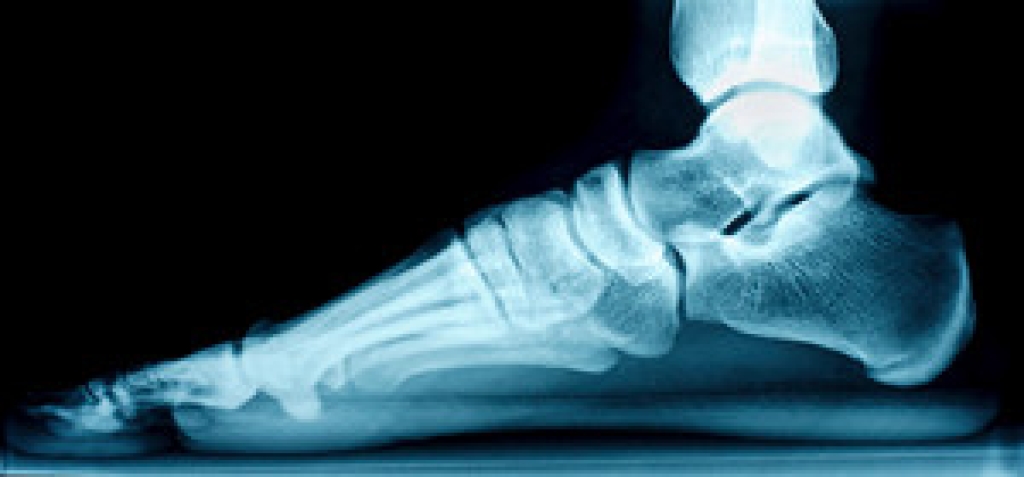
Flatfoot is a condition in which the arch of the foot is depressed and the sole of the foot is almost completely in contact with the ground. About 20-30% of the population generally has flat feet because their arches never formed during growth.

Conditions & Problems:

Having flat feet makes it difficult to run or walk because of the stress placed on the ankles.

Alignment – The general alignment of your legs can be disrupted, because the ankles move inward which can cause major discomfort.

Knees – If you have complications with your knees, flat feet can be a contributor to arthritis in that area.  

Symptoms

  • Pain around the heel or arch area
  • Trouble standing on the tip toe
  • Swelling around the inside of the ankle
  • Flat look to one or both feet
  • Having your shoes feel uneven when worn

Treatment

If you are experiencing pain and stress on the foot you may weaken the posterior tibial tendon, which runs around the inside of the ankle. 

If you have any questions, please feel free to contact our offices located in Londonderry, NH and Salem, NH . We offer the newest diagnostic and treatment technologies for all your foot care needs.
Read more about What is Flexible Flat Foot?

What Causes Corns on the Feet?

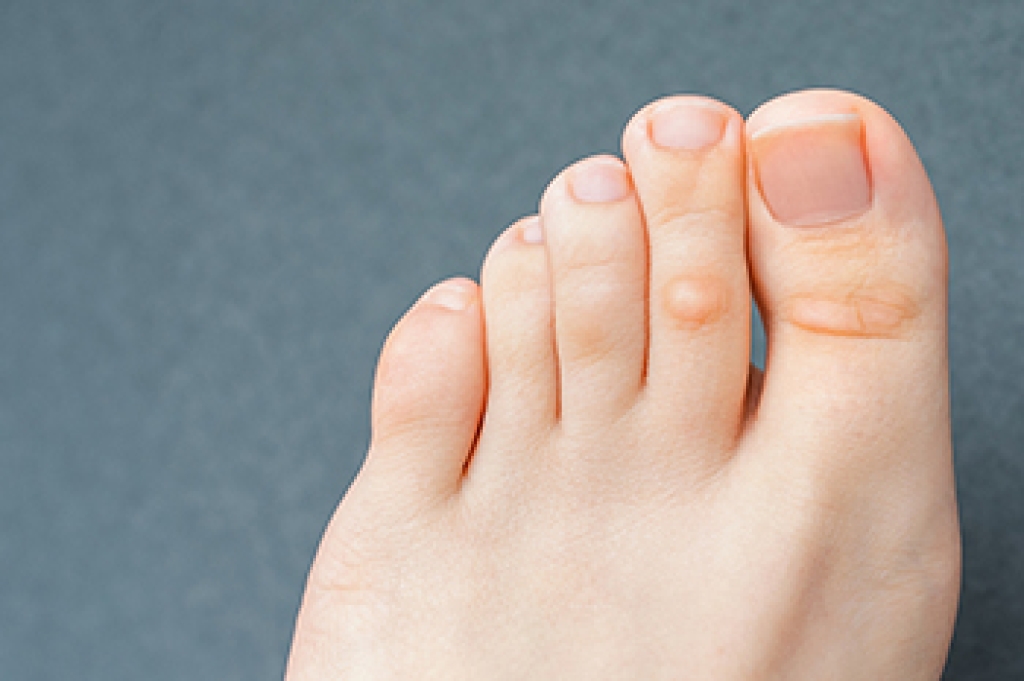
Corns on the feet, while small in size, can cause significant discomfort and annoyance. These thickened, hardened areas of skin typically form in response to repetitive friction or pressure. Corns are the body's way of defending against this constant irritation, creating a protective barrier that may not always be welcome. The primary cause of corns is wearing ill-fitting footwear. Shoes that are too tight, narrow, or have high heels can squeeze the toes and create pressure points, prompting corn development. Similarly, wearing shoes with inadequate arch support can lead to corns on the soles. Other potential culprits can include deformities in the feet, such as bunions or hammertoes, which alter the foot's shape and increase the likelihood of corns. By paying attention to the health and comfort of your feet, you can avoid the persistent nuisance of corns. If you have developed one or more corns on your feet, it is suggested that you speak with a podiatrist who can guide you toward appropriate treatment methods.

If you have any concerns regarding your feet and ankles, contact Pasquale Cancelliere, DPM of Candria Foot and Ankle Specialists. Our doctor will treat your foot and ankle needs.

Corns: What Are They? and How Do You Get Rid of Them?
Corns can be described as areas of the skin that have thickened to the point of becoming painful or irritating. They are often layers and layers of the skin that have become dry and rough, and are normally smaller than calluses.

Ways to Prevent Corns
There are many ways to get rid of painful corns such as wearing:

  • Well-fitting socks
  • Comfortable shoes that are not tight around your foot
  • Shoes that offer support

Treating Corns
Treatment of corns involves removing the dead skin that has built up in the specific area of the foot. Consult with Our doctor to determine the best treatment option for your case of corns.

If you have any questions, please feel free to contact our offices located in Londonderry, NH and Salem, NH . We offer the newest diagnostic and treatment technologies for all your foot care needs.

Read more about Corns and Calluses

Preventing Plantar Fasciitis

Heel pain, often due to plantar fasciitis, results from chronic overuse of the plantar fascia, a thick tissue on the foot's sole that connects the heel bone to the toes and forms the arch. The most common symptom is heel pain which is typically at its worst with the first few steps after awakening. Causes encompass overuse, biomechanical abnormalities, tight or weak calf muscles, and big toe issues. Diagnosis involves a physical exam and may require imaging. This can be quite painful and interfere with comfortable functioning. It is better to try and prevent this condition than to experience it and have it treated. Preventative measures include calf stretching, plantar fascia stretches, weight management, supportive footwear, and possibly using custom-made orthotics. If you have heel pain or would like to know more about preventing it, it is suggested that you make an appointment with a podiatrist who can provide treatment and any information that can help you take the best care of your feet.

Plantar fasciitis can be very painful and inconvenient. If you are experiencing heel pain or symptoms of plantar fasciitis, contact Pasquale Cancelliere, DPM  from Candria Foot and Ankle Specialists. Our doctor can provide the care you need to keep you pain-free and on your feet.

What Is Plantar Fasciitis?

Plantar fasciitis is the inflammation of the thick band of tissue that runs along the bottom of your foot, known as the plantar fascia, and causes mild to severe heel pain.

What Causes Plantar Fasciitis?

  • Excessive running
  • Non-supportive shoes
  • Overpronation
  • Repeated stretching and tearing of the plantar fascia

How Can It Be Treated?

  • Conservative measures – anti-inflammatories, ice packs, stretching exercises, physical therapy, orthotic devices
  • Shockwave therapy – sound waves are sent to the affected area to facilitate healing and are usually used for chronic cases of plantar fasciitis
  • Surgery – usually only used as a last resort when all else fails. The plantar fascia can be surgically detached from the heel

While very treatable, plantar fasciitis is definitely not something that should be ignored. Especially in severe cases, speaking to your doctor right away is highly recommended to avoid complications and severe heel pain. Your podiatrist can work with you to provide the appropriate treatment options tailored to your condition.

If you have any questions, please feel free to contact our offices located in Londonderry, NH and Salem, NH . We offer the newest diagnostic and treatment technologies for all your foot care needs.

Read more about Plantar Fasciitis

Identifying Symptoms and Root Causes of Athlete’s Foot

Athlete's foot, a common fungal infection, can cause discomfort and frustration for those affected. The symptoms often include itching, burning, and stinging sensations in the affected areas, generally between the toes or on the soles of the feet. Skin peeling, blistering, and dryness may also occur. This condition is primarily caused by various types of fungi, thriving in warm, damp environments such as locker rooms, swimming pools, and shared showers. Direct contact with the fungi through contaminated surfaces or by sharing shoes, towels, or socks can facilitate its spread. Additionally, individuals with sweaty feet or those who wear tight, closed toe shoes for extended periods are at higher risk. Maintaining proper foot hygiene, wearing breathable footwear, and keeping feet dry can aid in prevention and mitigate the symptoms of athlete's foot. Athlete’s foot is treated by a podiatrist, and it is suggested that you visit this type of doctor who can effectively treat this condition.

Athlete’s foot is an inconvenient condition that can be easily reduced with the proper treatment. If you have any concerns about your feet and ankles, contact Pasquale Cancelliere, DPM from Candria Foot and Ankle Specialists.  Our doctor will treat your foot and ankle needs.

Athlete’s Foot: The Sole Story

Athlete's foot, also known as tinea pedis, can be an extremely contagious foot infection. It is commonly contracted in public changing areas and bathrooms, dormitory style living quarters, around locker rooms and public swimming pools, or anywhere your feet often come into contact with other people.

Solutions to Combat Athlete’s Foot

  • Hydrate your feet by using lotion
  • Exfoliate
  • Buff off nails
  • Use of anti-fungal products
  • Examine your feet and visit your doctor if any suspicious blisters or cuts develop

Athlete’s foot can cause many irritating symptoms such as dry and flaking skin, itching, and redness. Some more severe symptoms can include bleeding and cracked skin, intense itching and burning, and even pain when walking. In the worst cases, Athlete’s foot can cause blistering as well. Speak to your podiatrist for a better understanding of the different causes of Athlete’s foot, as well as help in determining which treatment options are best for you.

If you have any questions please feel free to contact our offices located in Londonderry, NH and Salem, NH . We offer the newest diagnostic and treatment technologies for all your foot and ankle needs.

Read more about Athlete's Foot

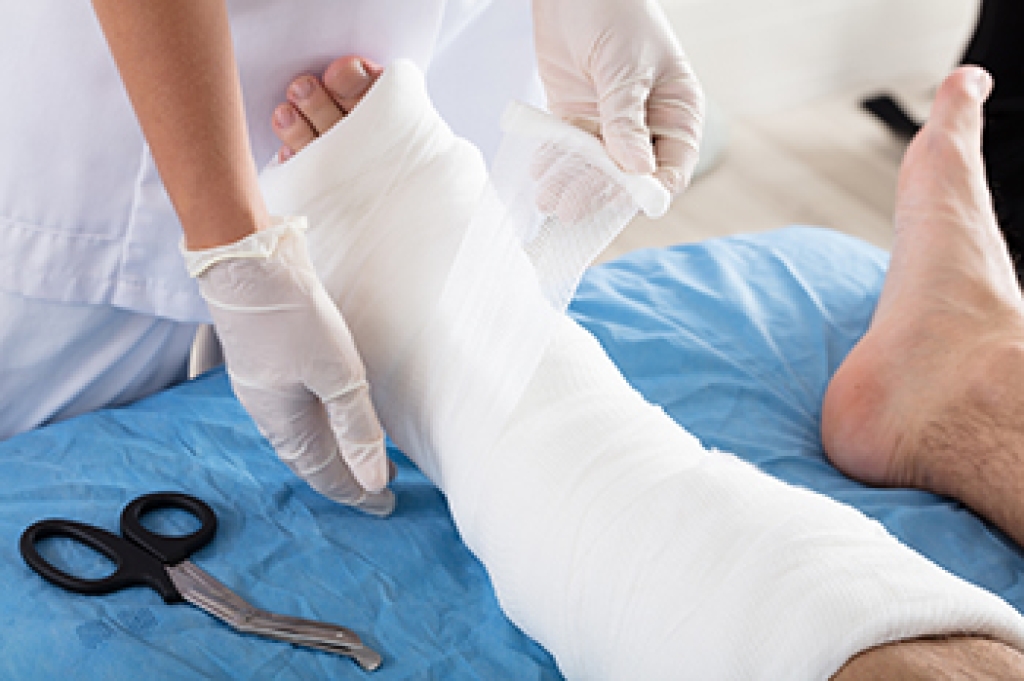
Total Contact Cast Helps With Foot Ulcers

Foot ulcers can be a debilitating condition, common among individuals with diabetes. An effective treatment option in managing foot ulcers is a total contact cast. A podiatrist can apply this device and it consists of a custom-made cast that snugly conforms to the shape of your foot and ankle. The cast ensures pressure redistribution across the ulcer, reducing the risk of further tissue damage and accelerating the healing process. It also immobilizes the foot, preventing excessive movement that can worsen ulcers and hinder recovery. Further, a total contact cast acts as a protective shield, safeguarding your foot from external factors and reducing the risk of infection or other complications. Studies show that this type of cast can speed up ulcer healing compared with more conventional dressings and offloading techniques. This is due to a customized fit that maximizes both comfort and effectiveness. To determine whether a total contact cast is suitable for your condition, it is suggested that you make an appointment with a podiatrist, who is specifically trained to manage diabetic foot ulcers. 

Diabetic foot care is important in preventing foot ailments such as ulcers. If you are suffering from diabetes or have any other concerns about your feet, contact Pasquale Cancelliere, DPM from Candria Foot and Ankle Specialists. Our doctor can provide the care you need to keep you pain-free and on your feet.

Diabetic Foot Care

Diabetes affects millions of people every year. The condition can damage blood vessels in many parts of the body, especially the feet. Because of this, taking care of your feet is essential if you have diabetes, and having a podiatrist help monitor your foot health is highly recommended.

The Importance of Caring for Your Feet

  • Routinely inspect your feet for bruises or sores.
  • Wear socks that fit your feet comfortably.
  • Wear comfortable shoes that provide adequate support.

Patients with diabetes should have their doctor monitor their blood levels, as blood sugar levels play such a huge role in diabetic care. Monitoring these levels on a regular basis is highly advised.

It is always best to inform your healthcare professional of any concerns you may have regarding your feet, especially for diabetic patients. Early treatment and routine foot examinations are keys to maintaining proper health, especially because severe complications can arise if proper treatment is not applied.

If you have any questions, please feel free to contact our offices located in Londonderry, NH and Salem, NH . We offer the newest diagnostic and treatment technologies for all your foot care needs.
Read more about How to Care for Diabetic Foot

Causes and Symptoms of Gout

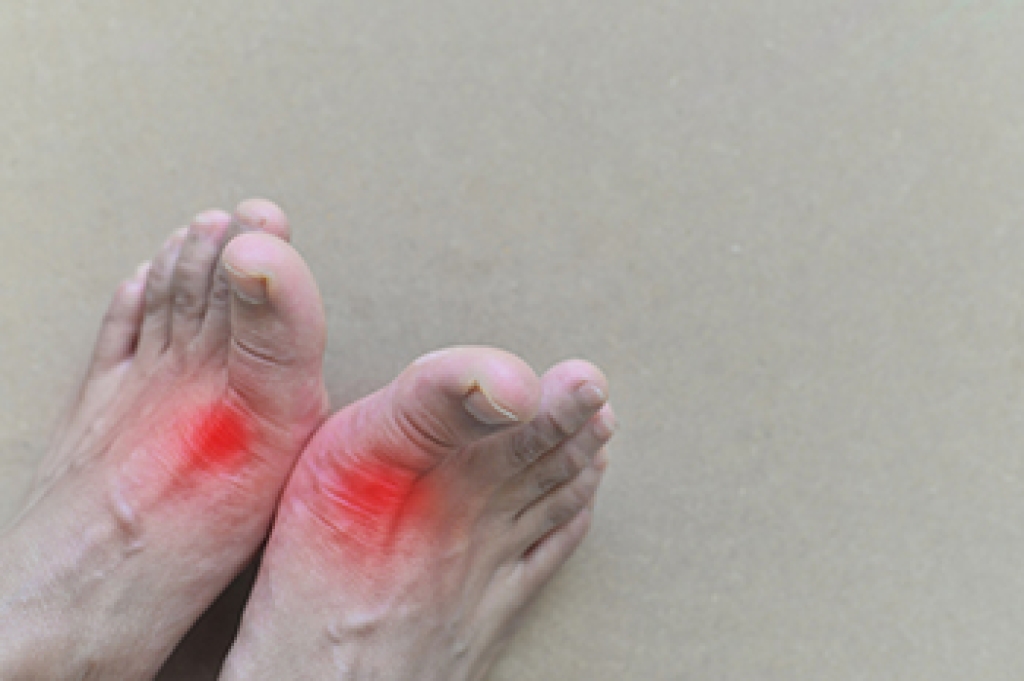
Gout is a type of arthritis characterized by sudden, severe joint pain and inflammation, typically affecting the big toe, although it can occur in other joints as well. Understanding the causes and symptoms of gout is essential for early diagnosis and effective management. Gout is primarily caused by high levels of uric acid in the blood, a condition known as hyperuricemia. Uric acid crystals can accumulate in the joints, leading to painful gout attacks. Several factors can contribute to elevated uric acid levels, including genetics, and a diet rich in purines which are found in red meat, seafood, and alcohol. Additionally, taking certain medications and obesity may lead to developing gout. The symptoms of gout often appear suddenly and include intense joint pain, swelling, redness, and warmth surrounding the affected joint. Gout attacks can be excruciating, and the pain may persist for days or weeks if left untreated. Managing gout involves lifestyle modifications, dietary changes, and medications to lower uric acid levels. Prompt medical attention and understanding the causes and symptoms are crucial for preventing and mitigating the effects of gout. If you are afflicted with gout, it is strongly suggested that you are under the care of a podiatrist who can help you to manage this condition. 

Gout is a foot condition that requires certain treatment and care. If you are seeking treatment, contact Pasquale Cancelliere, DPM from Candria Foot and Ankle Specialists. Our doctor will treat your foot and ankle needs.

What Is Gout?

Gout is a type of arthritis caused by a buildup of uric acid in the bloodstream. It often develops in the foot, especially the big toe area, although it can manifest in other parts of the body as well. Gout can make walking and standing very painful and is especially common in diabetics and the obese.

People typically get gout because of a poor diet. Genetic predisposition is also a factor. The children of parents who have had gout frequently have a chance of developing it themselves.

Gout can easily be identified by redness and inflammation of the big toe and the surrounding areas of the foot. Other symptoms include extreme fatigue, joint pain, and running high fevers. Sometimes corticosteroid drugs can be prescribed to treat gout, but the best way to combat this disease is to get more exercise and eat a better diet.

If you have any questions, please feel free to contact our offices located in Londonderry, NH and Salem, NH . We offer the newest diagnostic and treatment technologies for all your foot care needs.
Read more about Everything You Need to Know About Gout

Symptoms and Treatment of Flat Feet

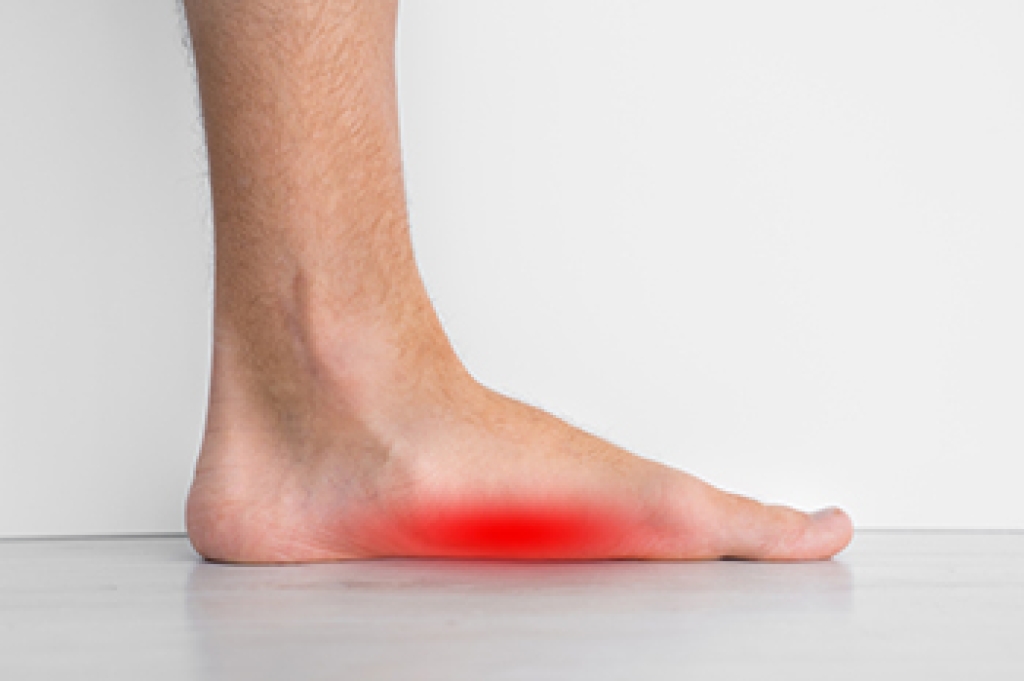
Flat feet, or pes planus, is a common condition where the arches of the feet collapse, causing the entire sole to touch the ground. This condition may be present from birth or develop over time. Genetics may play a significant role because the development of arches is determined by genetics. Insufficient development of foot muscles or weakening due to factors like aging or inactivity also can contribute to flat feet. Certain medical conditions like arthritis, diabetes, and obesity can increase the risk of developing flat feet. Some people experience no discomfort from flat feet, while others may suffer from pain in the arches or heels, swelling, or difficulty standing on tiptoes. Treatment options for flat feet depend on the severity and symptoms. Custom orthotic inserts can provide arch support and alleviate discomfort. Stretching exercises may help strengthen the foot muscles. In some cases, anti-inflammatory medication may be recommended. Early intervention can prevent further complications and improve your overall foot health. If you're experiencing flat feet-related issues, it's suggested that you consult a podiatrist for a thorough evaluation and a personalized treatment plan. 

Flatfoot is a condition many people suffer from. If you have flat feet, contact Pasquale Cancelliere, DPM from Candria Foot and Ankle Specialists. Our doctor will treat your foot and ankle needs.

What Are Flat Feet?

Flatfoot is a condition in which the arch of the foot is depressed and the sole of the foot is almost completely in contact with the ground. About 20-30% of the population generally has flat feet because their arches never formed during growth.

Conditions & Problems:

Having flat feet makes it difficult to run or walk because of the stress placed on the ankles.

Alignment – The general alignment of your legs can be disrupted, because the ankles move inward which can cause major discomfort.

Knees – If you have complications with your knees, flat feet can be a contributor to arthritis in that area.  

Symptoms

  • Pain around the heel or arch area
  • Trouble standing on the tip toe
  • Swelling around the inside of the ankle
  • Flat look to one or both feet
  • Having your shoes feel uneven when worn

Treatment

If you are experiencing pain and stress on the foot you may weaken the posterior tibial tendon, which runs around the inside of the ankle. 

If you have any questions, please feel free to contact our offices located in Londonderry, NH and Salem, NH . We offer the newest diagnostic and treatment technologies for all your foot care needs.
Read more about Flat Feet
scroll to top