Like us on facebook
Follow us on twitter
review us on google

Women May Be More at Risk for Bunions

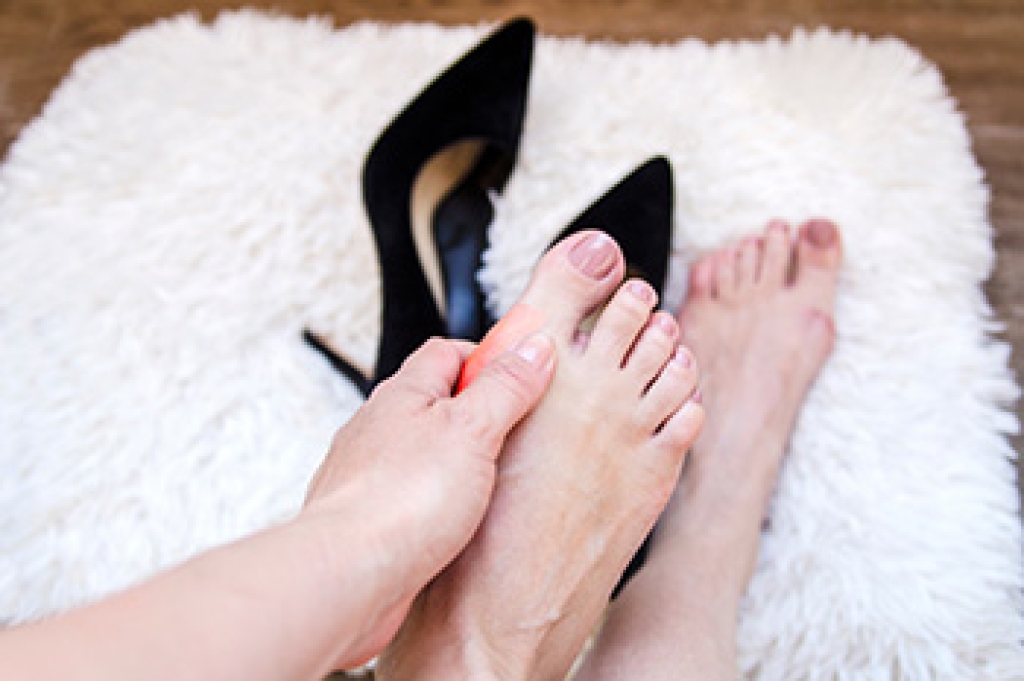
Bunions, also known as hallux valgus, are more prevalent in women, especially as they age. This deformity develops when the big toe angles inward toward the smaller ones, causing a prominent bump on the side of the foot. As the deformity worsens, it can alter the alignment of the smaller toes and affect normal foot function. This often leads to additional complications, such as corns, calluses, hammer toes, and discomfort when walking. Factors that contribute to bunions include wearing narrow or pointy high-heeled shoes, a family history of bunions, or having flat feet. Recent findings show that the severity of bunions can significantly reduce both foot-specific and overall quality of life.  A podiatrist can evaluate the extent of the bunion deformity and recommend appropriate treatment, which may include orthotic support, footwear modifications, or surgery. If you have a painful bunion, it is suggested that you schedule an appointment with a podiatrist for appropriate treatment.

If you are suffering from bunions, contact Pasquale Cancelliere, DPM of Candria Foot and Ankle Specialists. Our doctor can provide the care you need to keep you pain-free and on your feet.

What Is a Bunion?

A bunion is formed of swollen tissue or an enlargement of boney growth, usually located at the base joint of the toe that connects to the foot. The swelling occurs due to the bones in the big toe shifting inward, which impacts the other toes of the foot. This causes the area around the base of the big toe to become inflamed and painful.

Why Do Bunions Form?

Genetics – Susceptibility to bunions are often hereditary

Stress on the feet – Poorly fitted and uncomfortable footwear that places stress on feet, such as heels, can worsen existing bunions

How Are Bunions Diagnosed?

Podiatrists often perform two tests – blood tests and x-rays – when trying to diagnose bunions, especially in the early stages of development. Blood tests help determine if the foot pain is being caused by something else, such as arthritis, while x-rays provide a clear picture of your bone structure to your provider.

How Are Bunions Treated?

  • Refrain from wearing heels or similar shoes that cause discomfort
  • Select wider shoes that can provide more comfort and reduce pain
  • Anti-inflammatory and pain management drugs
  • Orthotics or foot inserts
  • Surgery

If you have any questions, please feel free to contact our offices located in Londonderry, NH and Salem, NH . We offer the newest diagnostic and treatment technologies for all your foot care needs.


Read more about Bunions

Are You Suffering From Ingrown Toenails?

If left untreated, an ingrown toenail can lead to more serious concerns, such as an infection. Knowing proper nail care can help in the prevention of an ingrown toenail. Give us a call, and get treated!

Recognizing and Treating Foot Fractures

A foot fracture is a break in one or more of the 26 bones in the foot, which can result from trauma, overuse, or repetitive stress. Common causes include falls, sports injuries, or dropping heavy objects on the foot. Symptoms include pain, swelling, bruising, and difficulty walking. Treatment options range from rest and immobilization with a cast or boot to surgical intervention, in more severe cases. A podiatrist can evaluate the injury through physical examination and imaging, then develop a personalized treatment plan to promote healing and restore mobility. If you suspect a fracture or are experiencing ongoing foot pain, it is suggested that you promptly contact a podiatrist to ensure a proper diagnosis and professional care for a safe and effective recovery.

A broken foot requires immediate medical attention and treatment. If you need your feet checked, contact Pasquale Cancelliere, DPM from Candria Foot and Ankle Specialists. Our doctor can provide the care you need to keep you pain-free and on your feet.

Broken Foot Causes, Symptoms, and Treatment

A broken foot is caused by one of the bones in the foot typically breaking when bended, crushed, or stretched beyond its natural capabilities. Usually the location of the fracture indicates how the break occurred, whether it was through an object, fall, or any other type of injury. 

Common Symptoms of Broken Feet:

  • Bruising
  • Pain
  • Redness
  • Swelling
  • Blue in color
  • Numbness
  • Cold
  • Misshapen
  • Cuts
  • Deformities

Those that suspect they have a broken foot shoot seek urgent medical attention where a medical professional could diagnose the severity.

Treatment for broken bones varies depending on the cause, severity and location. Some will require the use of splints, casts or crutches while others could even involve surgery to repair the broken bones. Personal care includes the use of ice and keeping the foot stabilized and elevated.

If you have any questions, please feel free to contact our offices located in Londonderry, NH and Salem, NH . We offer the newest diagnostic and treatment technologies for all your foot care needs.

Read more about Causes, Symptoms, and Treatment for a Broken Foot

Protecting Your Feet from Falls at Home

Falling at home can lead to serious foot injuries such as sprains, fractures, or even long-term joint damage. The feet often take the brunt of a fall, especially when tripping over objects or slipping on wet surfaces. To reduce this risk, eliminate loose rugs, install handrails in stairways and bathrooms, and keep extension cords and clutter out of walkways. Place non-slip mats in bathrooms and use night lights to improve visibility at night. A podiatrist can help by treating injuries, assessing balance and gait, and recommending supportive footwear or orthotics to improve stability. If you have sustained a foot or ankle injury from falling, it is suggested that you contact a podiatrist who can treat various foot conditions.

Preventing falls among the elderly is very important. If you are older and have fallen or fear that you are prone to falling, consult with Pasquale Cancelliere, DPM from Candria Foot and Ankle Specialists. Our doctor will assess your condition and provide you with quality advice and care.

Every 11 seconds, an elderly American is being treated in an emergency room for a fall related injury. Falls are the leading cause of head and hip injuries for those 65 and older. Due to decreases in strength, balance, senses, and lack of awareness, elderly persons are very susceptible to falling. Thankfully, there are a number of things older persons can do to prevent falls.

How to Prevent Falls

Some effective methods that older persons can do to prevent falls include:

  • Enrolling in strength and balance exercise program to increase balance and strength
  • Periodically having your sight and hearing checked
  • Discuss any medications you have with a doctor to see if it increases the risk of falling
  • Clearing the house of falling hazards and installing devices like grab bars and railings
  • Utilizing a walker or cane
  • Wearing shoes that provide good support and cushioning
  • Talking to family members about falling and increasing awareness

Falling can be a traumatic and embarrassing experience for elderly persons; this can make them less willing to leave the house, and less willing to talk to someone about their fears of falling. Doing such things, however, will increase the likelihood of tripping or losing one’s balance. Knowing the causes of falling and how to prevent them is the best way to mitigate the risk of serious injury.  

If you have any questions, please feel free to contact our offices located in Londonderry, NH and Salem, NH . We offer the newest diagnostic and treatment technologies for all your foot care needs.

Read more about Falls Prevention

How Footwear Affects Movement and Mobility at Every Age

The shoes we wear influence how we walk, balance, and move through daily life. In early years, flexible shoes that allow natural movement can help support developing feet. As we age, footwear with proper arch support, cushioning, and stability becomes more important. Poor shoe choices can contribute to joint strain, foot deformities, or falls, especially in older adults. Over time, unsupportive or ill-fitting shoes may alter gait patterns and affect posture, leading to discomfort in the knees, hips, or back. Choosing the right footwear can help preserve comfort and movement ability from childhood into later years. It is not only about style or fit, it is about supporting long-term mobility. If you are experiencing discomfort or noticing changes in how you walk, it is suggested that you schedule an appointment with a podiatrist for a diagnosis and appropriate treatment.

Getting the right shoe size is an important part of proper foot health. Seek the assistance of Pasquale Cancelliere, DPM from Candria Foot and Ankle Specialists. Our doctor will provide the care you need to keep you pain-free and on your feet.

Getting the Right Shoe Size

There are many people who wear shoes that are the incorrect size, negatively affecting their feet and posture. Selecting the right shoes is not a difficult process, so long as you keep several things in mind when it comes to choosing the right pair.

  • When visiting the shoe store, use the tools available to measure your foot.
  • Be sure there is ‘wiggle room’. There should be about an inch between your toes and the tip of your shoes.
  • Do not always assume you are the same size, as manufacturers run differently.
  • Purchase shoes later in the day, as your feet swell as the day progresses.
  • If a shoe is not comfortable, it is not suitable. Most shoes can’t be ‘broken in’, and comfort should be the ultimate goal when it comes to choosing the right pair of shoes

As our feet hold our body weight and keep us moving, it is important to treat them right. Picking the right pair of shoes can provide your feet comfort and mobility without pain.

If you have any questions, please feel free to contact our offices located in Londonderry, NH and Salem, NH . We offer the newest diagnostic and treatment technologies for all your foot care needs.

Read more about Getting the Right Shoe Size: To Keep Your Feet Happy
scroll to top