
Like us on facebook
Follow us on twitter
review us on google

The Hidden Effects of High Heels on Foot Health

Wearing high heels may enhance appearance, but they can have negative effects on foot health. High heels place added pressure on the ball of the foot, which can lead to pain, inflammation, and long-term joint stress. This unnatural positioning can also change the way a person walks, known as gait, by shortening the stride and causing instability. Over time, these changes may affect balance and coordination. High heels can also influence posture by shifting the body’s weight forward, which may disrupt the natural curves in the lower back. Limiting heel height and choosing supportive footwear more often can help protect the health and comfort of your entire body. If you enjoy wearing high heels and have developed foot pain, it is suggested that you contact a podiatrist who can offer relief solutions, and guide you on a better type of shoe to wear.

High heels have a history of causing foot and ankle problems. If you have any concerns about your feet or ankles, contact Pasquale Cancelliere, DPM from Candria Foot and Ankle Specialists. Our doctor can provide the care you need to keep you pain-free and on your feet.

Effects of High Heels on the Feet

High heels are popular shoes among women because of their many styles and societal appeal.  Despite this, high heels can still cause many health problems if worn too frequently.

Which Parts of My Body Will Be Affected by High Heels?

  • Ankle Joints
  • Achilles Tendon – May shorten and stiffen with prolonged wear
  • Balls of the Feet
  • Knees – Heels cause the knees to bend constantly, creating stress on them
  • Back – They decrease the spine’s ability to absorb shock, which may lead to back pain.  The vertebrae of the lower back may compress.

What Kinds of Foot Problems Can Develop from Wearing High Heels?

  • Corns
  • Calluses
  • Hammertoe
  • Bunions
  • Morton’s Neuroma
  • Plantar Fasciitis

How Can I Still Wear High Heels and Maintain Foot Health?

If you want to wear high heeled shoes, make sure that you are not wearing them every day, as this will help prevent long term physical problems.  Try wearing thicker heels as opposed to stilettos to distribute weight more evenly across the feet.  Always make sure you are wearing the proper shoes for the right occasion, such as sneakers for exercising.  If you walk to work, try carrying your heels with you and changing into them once you arrive at work.  Adding inserts to your heels can help cushion your feet and absorb shock. Full foot inserts or metatarsal pads are available. 

If you have any questions, please feel free to contact our offices located in Londonderry, NH and Salem, NH . We offer the newest diagnostic and treatment technologies for all your foot care needs.

Read more about Why High Heels Are Not Ideal for Healthy Feet

Understanding the Achilles Tendon and How It Heals

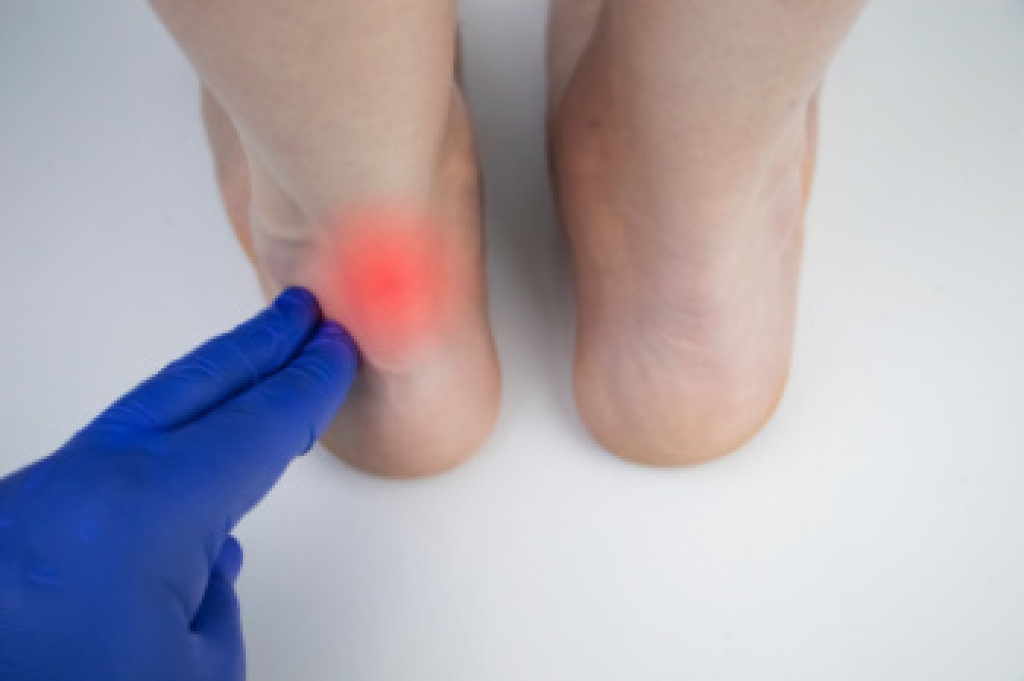
The Achilles tendon is the thick band of tissue that connects the calf muscles to the heel bone. It helps you walk, run, and jump by allowing your foot to push off the ground. Because it handles so much force, it can be injured through overuse, sudden movements, or lack of flexibility. When the tendon is strained or torn, healing can take time and depends on factors like blood flow, rest, and how the injury is treated. The tendon heals by forming new tissue, but this process is slower than in other areas of the body. Stretching, strengthening exercises, and targeted exercises often help the tendon recover. In more serious cases, surgery may be needed. If you notice pain or stiffness in the back of your ankle, it is suggested that you see a podiatrist for an accurate diagnosis and appropriate treatment.

Achilles tendon injuries need immediate attention to avoid future complications. If you have any concerns, contact Pasquale Cancelliere, DPM of Candria Foot and Ankle Specialists. Our doctor can provide the care you need to keep you pain-free and on your feet.

What Is the Achilles Tendon?

The Achilles tendon is a tendon that connects the lower leg muscles and calf to the heel of the foot. It is the strongest tendon in the human body and is essential for making movement possible. Because this tendon is such an integral part of the body, any injuries to it can create immense difficulties and should immediately be presented to a doctor.

What Are the Symptoms of an Achilles Tendon Injury?

There are various types of injuries that can affect the Achilles tendon. The two most common injuries are Achilles tendinitis and ruptures of the tendon.

Achilles Tendinitis Symptoms

  • Inflammation
  • Dull to severe pain
  • Increased blood flow to the tendon
  • Thickening of the tendon

Rupture Symptoms

  • Extreme pain and swelling in the foot
  • Total immobility

Treatment and Prevention

Achilles tendon injuries are diagnosed by a thorough physical evaluation, which can include an MRI. Treatment involves rest, physical therapy, and in some cases, surgery. However, various preventative measures can be taken to avoid these injuries, such as:

  • Thorough stretching of the tendon before and after exercise
  • Strengthening exercises like calf raises, squats, leg curls, leg extensions, leg raises, lunges, and leg presses

If you have any questions please feel free to contact our offices located in Londonderry, NH and Salem, NH . We offer the newest diagnostic tools and technology to treat your foot and ankle needs.

Read more about Achilles Tendon Injuries

Plantar Warts Can Be Treated!

Plantar warts are small growths that develop on parts of the feet that bear weight. They're typically found on the bottom of the foot. Don't live with plantar warts, and call us today!

Finding Relief From Morton’s Neuroma

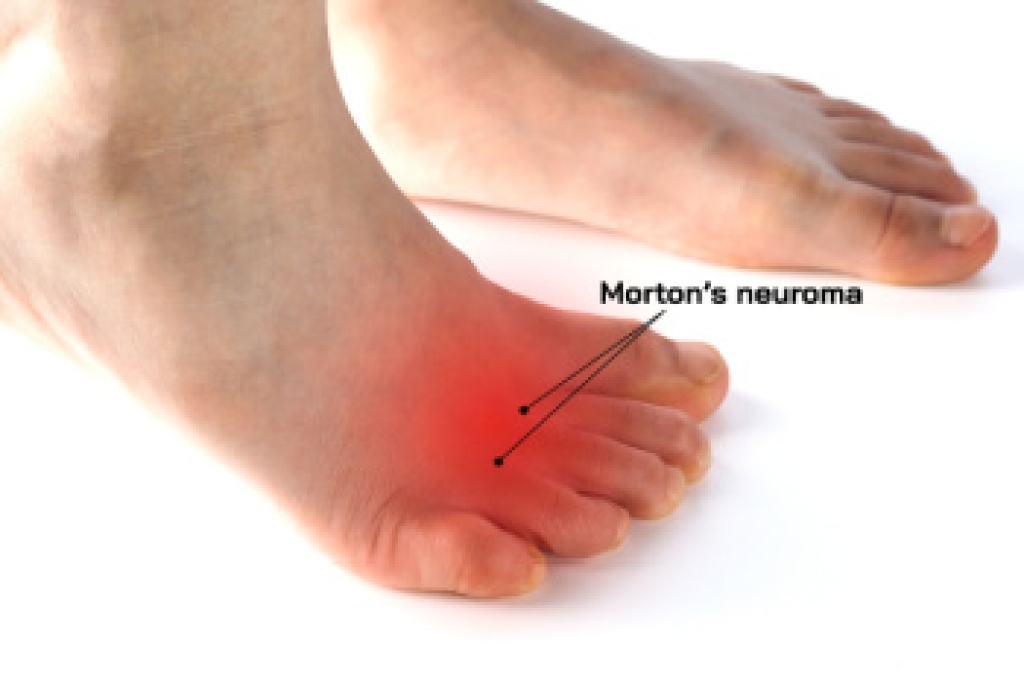
Morton’s neuroma is a thickening of nerve tissue between the toes, often causing burning, tingling, or a sensation of walking on a pebble. It usually develops from repetitive stress, wearing tight shoes, or abnormal foot mechanics. Treatment focuses on relieving pressure on the affected nerve. Padding, shoe modifications, and custom orthotics are often the first steps, helping to improve foot alignment and reduce irritation. Anti-inflammatory medications or corticosteroid injections may ease pain and swelling. In more persistent cases, alcohol sclerosing injections can shrink the neuroma over time. If conservative treatments do not provide relief, surgical removal of the neuroma may be considered. Early care typically leads to better outcomes and prevents worsening symptoms. If you are experiencing discomfort between your toes or unusual sensations while walking, it is suggested that you see a podiatrist for a diagnosis and appropriate treatment.

Morton’s neuroma is a very uncomfortable condition to live with. If you think you have Morton’s neuroma, contact Pasquale Cancelliere, DPM of Candria Foot and Ankle Specialists. Our doctor will attend to all of your foot care needs and answer any of your related questions.  

Morton’s Neuroma

Morton's neuroma is a painful foot condition that commonly affects the areas between the second and third or third and fourth toe, although other areas of the foot are also susceptible. Morton’s neuroma is caused by an inflamed nerve in the foot that is being squeezed and aggravated by surrounding bones.

What Increases the Chances of Having Morton’s Neuroma?

  • Ill-fitting high heels or shoes that add pressure to the toe or foot
  • Jogging, running or any sport that involves constant impact to the foot
  • Flat feet, bunions, and any other foot deformities

Morton’s neuroma is a very treatable condition. Orthotics and shoe inserts can often be used to alleviate the pain on the forefront of the feet. In more severe cases, corticosteroids can also be prescribed. In order to figure out the best treatment for your neuroma, it’s recommended to seek the care of a podiatrist who can diagnose your condition and provide different treatment options.

If you have any questions, please feel free to contact our offices located in Londonderry, NH and Salem, NH . We offer the newest diagnostic and treatment technologies for all your foot care needs.
Read more about Morton's Neuroma

Relieving Heel Pain From Plantar Fasciitis

Plantar fasciitis is one of the most common causes of heel pain, often felt as a sharp or stabbing sensation with the first steps in the morning or after rest. It results from inflammation of the plantar fascia, the thick band of tissue that supports the arch and connects the heel to the toes. Diagnosis begins with a podiatrist reviewing your symptoms and medical history, followed by a physical exam to check for tenderness and tightness along the bottom of the foot. Imaging such as X-rays may be used to rule out other causes. Treatment typically includes rest, stretching exercises, wearing supportive footwear, or custom orthotics. In more persistent cases, targeted exercises, night splints, or anti-inflammatory treatments may be recommended. Addressing plantar fasciitis early helps prevent chronic pain or altered walking patterns. If heel pain is interfering with your daily life, it is suggested that you see a podiatrist.

Plantar fasciitis is a common foot condition that is often caused by a strain injury. If you are experiencing heel pain or symptoms of plantar fasciitis, contact Pasquale Cancelliere, DPM from Candria Foot and Ankle Specialists. Our doctor can provide the care you need to keep you pain-free and on your feet.

What Is Plantar Fasciitis?

Plantar fasciitis is one of the most common causes of heel pain. The plantar fascia is a ligament that connects your heel to the front of your foot. When this ligament becomes inflamed, plantar fasciitis is the result. If you have plantar fasciitis you will have a stabbing pain that usually occurs with your first steps in the morning. As the day progresses and you walk around more, this pain will start to disappear, but it will return after long periods of standing or sitting.

What Causes Plantar Fasciitis?

  • Excessive running
  • Having high arches in your feet
  • Other foot issues such as flat feet
  • Pregnancy (due to the sudden weight gain)
  • Being on your feet very often

There are some risk factors that may make you more likely to develop plantar fasciitis compared to others. The condition most commonly affects adults between the ages of 40 and 60. It also tends to affect people who are obese because the extra pounds result in extra stress being placed on the plantar fascia.

Prevention

  • Take good care of your feet – Wear shoes that have good arch support and heel cushioning.
  • Maintain a healthy weight
  • If you are a runner, alternate running with other sports that won’t cause heel pain

There are a variety of treatment options available for plantar fasciitis along with the pain that accompanies it. Additionally, physical therapy is a very important component in the treatment process. It is important that you meet with your podiatrist to determine which treatment option is best for you.

If you have any questions, please feel free to contact our offices located in Londonderry, NH and Salem, NH . We offer the newest diagnostic and treatment technologies for all your foot care needs.

 

Read more about Plantar Fasciitis
scroll to top