Like us on facebook
Follow us on twitter
review us on google

Dealing With Pressure Sores

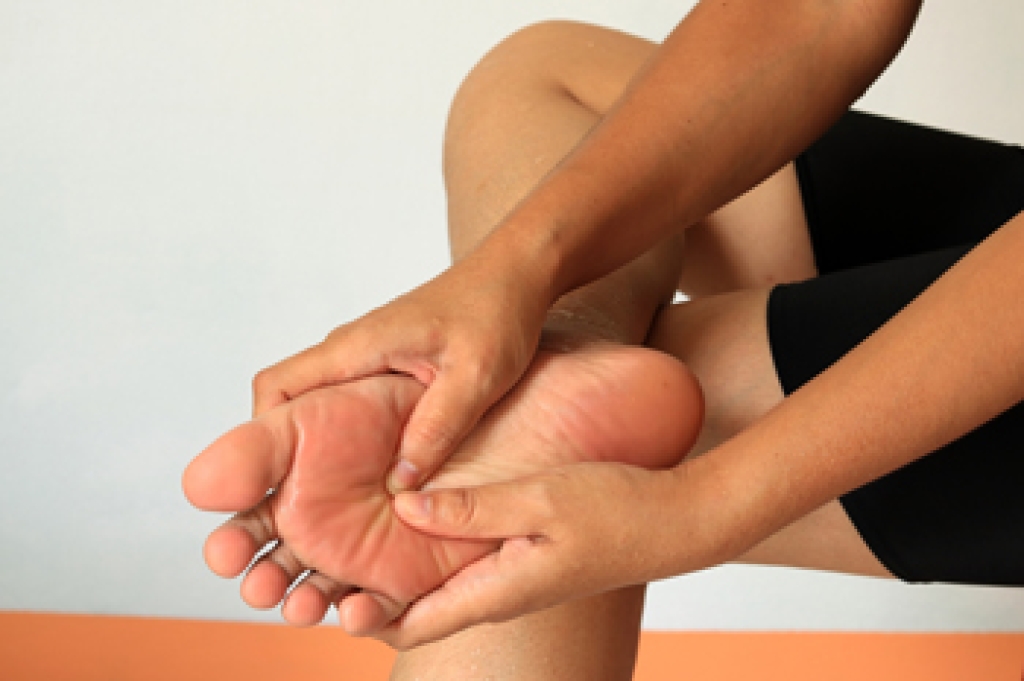
Pressure sores on the feet develop when prolonged pressure restricts blood flow, causing tissue breakdown and open wounds. They are more likely in people with limited mobility, diabetes, or poor circulation, as the heel, ankle, and ball of the foot are frequent points of stress. Preventive measures focus on reducing pressure and friction on these areas. This includes using properly fitting shoes that provide adequate support, avoiding prolonged pressure from tight straps or flip-flops, and protecting bony prominences of the feet with cushioning materials. Podiatrists often recommend devices that redistribute weight across the sole, lowering the risk of ulcer formation. They also check for early warning signs such as redness, skin thinning, or changes in sensation, which signal developing sores. In advanced cases, untreated pressure sores can lead to infection, difficulty walking, or even limb loss if surgery becomes necessary. If you have developed pressure sores, it is suggested that you make an appointment with a podiatrist for an exam and treatment.

Wound care is an important part in dealing with diabetes. If you have diabetes and a foot wound or would like more information about wound care for diabetics, consult with Pasquale Cancelliere, DPM from Candria Foot and Ankle Specialists. Our doctor will assess your condition and provide you with quality foot and ankle treatment.

What Is Wound Care?

Wound care is the practice of taking proper care of a wound. This can range from the smallest to the largest of wounds. While everyone can benefit from proper wound care, it is much more important for diabetics. Diabetics often suffer from poor blood circulation which causes wounds to heal much slower than they would in a non-diabetic. 

What Is the Importance of Wound Care?

While it may not seem apparent with small ulcers on the foot, for diabetics, any size ulcer can become infected. Diabetics often also suffer from neuropathy, or nerve loss. This means they might not even feel when they have an ulcer on their foot. If the wound becomes severely infected, amputation may be necessary. Therefore, it is of the upmost importance to properly care for any and all foot wounds.

How to Care for Wounds

The best way to care for foot wounds is to prevent them. For diabetics, this means daily inspections of the feet for any signs of abnormalities or ulcers. It is also recommended to see a podiatrist several times a year for a foot inspection. If you do have an ulcer, run the wound under water to clear dirt from the wound; then apply antibiotic ointment to the wound and cover with a bandage. Bandages should be changed daily and keeping pressure off the wound is smart. It is advised to see a podiatrist, who can keep an eye on it.

If you have any questions please contact our offices located in Londonderry, NH and Salem, NH . We offer the newest diagnostic and treatment technologies for all your foot and ankle needs.
Read more about Wound Care

Stages of Diabetic Foot Ulcers

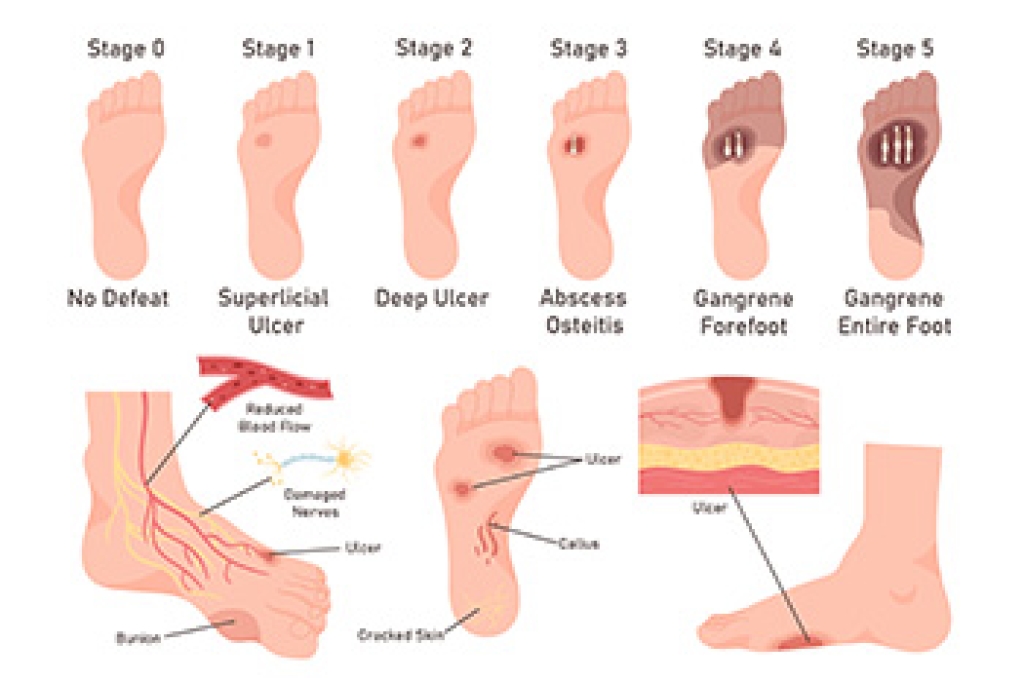
Diabetic foot ulcers often progress through stages that reflect increasing levels of tissue damage. In the earliest stage, the skin may appear intact, but deformities or poor circulation place the foot at risk for breakdown. A grade 1 ulcer is a shallow wound that affects only the skin’s outer layers. A grade 2 ulcer involves deeper tissues, such as tendons, ligaments, or joints. By grade 3, the ulcer may spread into the bone, creating a serious health concern. grade 4, involves dead tissue, or gangrene, at the front of the foot, and grade 5 occurs when gangrene extends throughout the entire foot, which can threaten limb preservation. A podiatrist can evaluate the severity of the diabetic foot ulcer, provide wound care, help improve circulation, and recommend surgery when necessary to reduce the risk of limb loss. If you have diabetes with developing foot ulcers, it is suggested that you schedule an appointment with a podiatrist for an exam and expert guidance in managing this serious condition.

Diabetic foot care is important in preventing foot ailments such as ulcers. If you are suffering from diabetes or have any other concerns about your feet, contact Pasquale Cancelliere, DPM from Candria Foot and Ankle Specialists. Our doctor can provide the care you need to keep you pain-free and on your feet.

Diabetic Foot Care

Diabetes affects millions of people every year. The condition can damage blood vessels in many parts of the body, especially the feet. Because of this, taking care of your feet is essential if you have diabetes, and having a podiatrist help monitor your foot health is highly recommended.

The Importance of Caring for Your Feet

  • Routinely inspect your feet for bruises or sores.
  • Wear socks that fit your feet comfortably.
  • Wear comfortable shoes that provide adequate support.

Patients with diabetes should have their doctor monitor their blood levels, as blood sugar levels play such a huge role in diabetic care. Monitoring these levels on a regular basis is highly advised.

It is always best to inform your healthcare professional of any concerns you may have regarding your feet, especially for diabetic patients. Early treatment and routine foot examinations are keys to maintaining proper health, especially because severe complications can arise if proper treatment is not applied.

If you have any questions, please feel free to contact our offices located in Londonderry, NH and Salem, NH . We offer the newest diagnostic and treatment technologies for all your foot care needs.

Read more about Diabetic Foot Care

Heel Lumps and What Causes Them

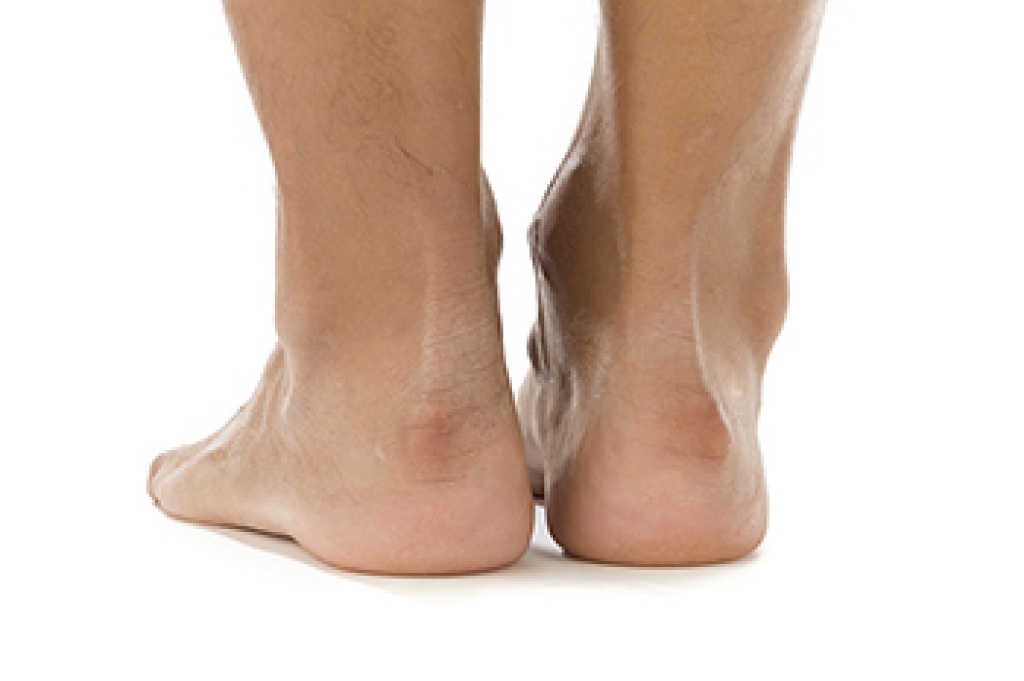
A lump on the heel is often linked to a condition known as Haglund’s deformity, where a bony prominence develops at the back of the heel bone. This extra bone growth can irritate the Achilles tendon and the bursa, a small fluid-filled sac that normally reduces friction. This can lead to swelling, redness, and localized pain. Contributing causes may include tight calf muscles that increase tension on the tendon, genetic factors like high arches that shift the heel bone backward, or footwear with a stiff backs like pumps, ice skates, or high heels that create repeated friction. A podiatrist can perform an exam to determine if the heel lump is related to bone spurs, bursitis, or tendon irritation. Treatment options include stretching exercises, changes in footwear, medication, and surgery, in persistent cases. If you notice the formation of a lump on the heel, it is suggested that you schedule an appointment with a podiatrist for appropriate treatment.

Many people suffer from bouts of heel pain. For more information, contact Pasquale Cancelliere, DPM of Candria Foot and Ankle Specialists. Our doctor can provide the care you need to keep you pain-free and on your feet.

Causes of Heel Pain

Heel pain is often associated with plantar fasciitis. The plantar fascia is a band of tissues that extends along the bottom of the foot. A rip or tear in this ligament can cause inflammation of the tissue.

Achilles tendonitis is another cause of heel pain. Inflammation of the Achilles tendon will cause pain from fractures and muscle tearing. Lack of flexibility is also another symptom.

Heel spurs are another cause of pain. When the tissues of the plantar fascia undergo a great deal of stress, it can lead to ligament separation from the heel bone, causing heel spurs.

Why Might Heel Pain Occur?

  • Wearing ill-fitting shoes                
  • Wearing non-supportive shoes
  • Weight change           
  • Excessive running

Treatments

Heel pain should be treated as soon as possible for immediate results. Keeping your feet in a stress-free environment will help. If you suffer from Achilles tendonitis or plantar fasciitis, applying ice will reduce the swelling. Stretching before an exercise like running will help the muscles. Using all these tips will help make heel pain a condition of the past.

If you have any questions, please feel free to contact our offices located in Londonderry, NH and Salem, NH . We offer the newest diagnostic and treatment technologies for all your foot care needs.

Read more about Heel Pain

It's Time for Beautiful Feet

You don't need an excuse to have beautiful nails. Step outside without worrying about the appearance of your feet.

Common Types of Athlete’s Foot

Athlete’s foot is a fungal infection that affects the skin on the feet, and usually occurs in three varieties called interdigital, moccasin, and vesicular. Interdigital athlete’s foot typically appears between the toes, causing itching, redness, peeling, and sometimes cracking or bleeding skin. Moccasin athlete’s foot affects the soles and sides of the feet, leading to dry, scaly, and thickened skin. Vesicular athlete’s foot is characterized by small, itchy blisters that may appear on the soles or insteps. Causes include walking barefoot in moist, communal areas, wearing damp socks, and poor foot hygiene. The infection can feel itchy, burning, or uncomfortable, and the affected skin may appear red, flaky, or cracked. A podiatrist can diagnose athlete’s foot through a physical examination and skin scrapings, if needed. Treatment may include antifungal creams, oral medications, and advice on prevention. To address symptoms effectively, it is suggested that you schedule an appointment with a podiatrist who can effectively treat athlete's foot.

Athlete’s Foot

Athlete’s foot is often an uncomfortable condition to experience. Thankfully, podiatrists specialize in treating athlete’s foot and offer the best treatment options. If you have any questions about athlete’s foot, consult with Pasquale Cancelliere, DPM from Candria Foot and Ankle Specialists. Our doctor will assess your condition and provide you with quality treatment.

What Is Athlete’s Foot?

Tinea pedis, more commonly known as athlete’s foot, is a non-serious and common fungal infection of the foot. Athlete’s foot is contagious and can be contracted by touching someone who has it or infected surfaces. The most common places contaminated by it are public showers, locker rooms, and swimming pools. Once contracted, it grows on feet that are left inside moist, dark, and warm shoes and socks.

Prevention

The most effective ways to prevent athlete’s foot include:

  • Thoroughly washing and drying feet
  • Avoid going barefoot in locker rooms and public showers
  • Using shower shoes in public showers
  • Wearing socks that allow the feet to breathe
  • Changing socks and shoes frequently if you sweat a lot

Symptoms

Athlete’s foot initially occurs as a rash between the toes. However, if left undiagnosed, it can spread to the sides and bottom of the feet, toenails, and if touched by hand, the hands themselves. Symptoms include:

  • Redness
  • Burning
  • Itching
  • Scaly and peeling skin

Diagnosis and Treatment

Diagnosis is quick and easy. Skin samples will be taken and either viewed under a microscope or sent to a lab for testing. Sometimes, a podiatrist can diagnose it based on simply looking at it. Once confirmed, treatment options include oral and topical antifungal medications.

If you have any questions, please feel free to contact our offices located in Londonderry, NH and Salem, NH . We offer the newest diagnostic and treatment technologies for all your foot care needs.

Read more about Athlete's Foot
scroll to top