Like us on facebook
Follow us on twitter
review us on google

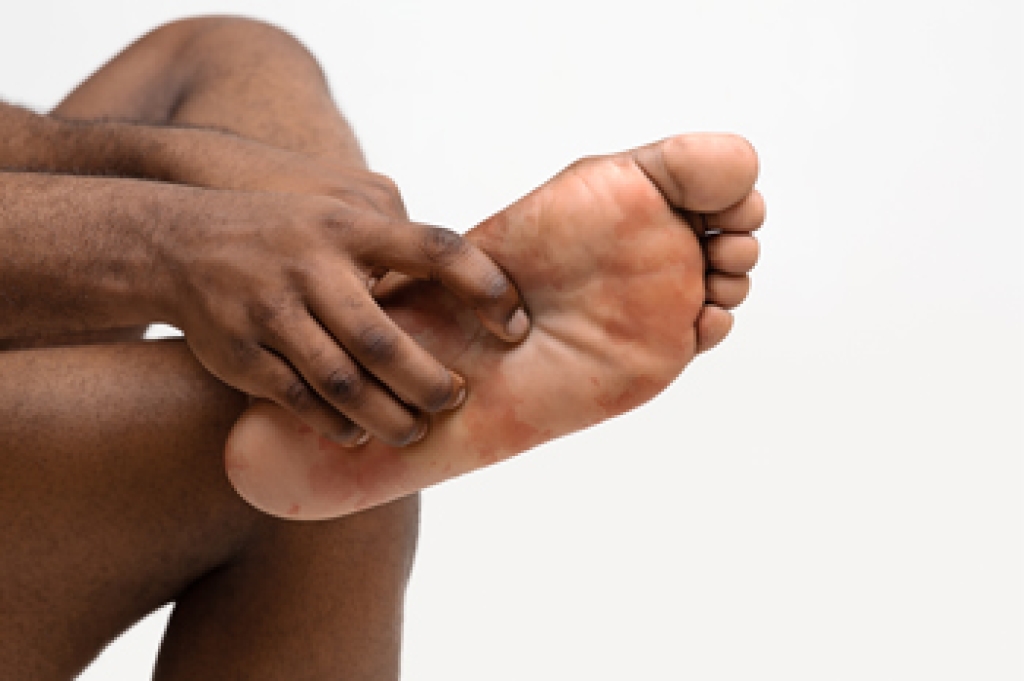
How Diabetes Can Cause Foot Pain

Diabetes can lead to foot pain through several complications that affect nerves, blood vessels, and bone structure. Nerve pain, known as diabetic neuropathy, occurs when prolonged high blood sugar damages the nerves, causing tingling, burning, or numbness in the feet. This condition reduces sensation, increasing the risk of unnoticed injuries and infections. Charcot foot is another serious complication where weakened bones in the foot fracture easily, leading to deformity and instability. Poor circulation from peripheral artery disease reduces blood flow to the feet, slowing healing and increasing the risk of ulcers. Without proper care, these complications can worsen, leading to severe infections or limb loss. If you have diabetes and are experiencing foot pain, it is strongly suggested that you are under the care of a podiatrist who can offer treatment and foot pain relief tips.

Foot Pain

Foot pain can be extremely painful and debilitating. If you have a foot pain, consult with Pasquale Cancelliere, DPM from Candria Foot and Ankle Specialists. Our doctor will assess your condition and provide you with quality foot and ankle treatment.

Causes

Foot pain is a very broad condition that could be caused by one or more ailments. The most common include:

  • Bunions
  • Hammertoes
  • Plantar Fasciitis
  • Bone Spurs
  • Corns
  • Tarsal Tunnel Syndrome
  • Ingrown Toenails
  • Arthritis (such as Gout, Rheumatoid, and Osteoarthritis)
  • Flat Feet
  • Injury (from stress fractures, broken toe, foot, ankle, Achilles tendon ruptures, and sprains)
  • And more

Diagnosis

To figure out the cause of foot pain, podiatrists utilize several different methods. This can range from simple visual inspections and sensation tests to X-rays and MRI scans. Prior medical history, family medical history, and any recent physical traumatic events will all be taken into consideration for a proper diagnosis.

Treatment

Treatment depends upon the cause of the foot pain. Whether it is resting, staying off the foot, or having surgery; podiatrists have a number of treatment options available for foot pain.

If you have any questions, please feel free to contact our offices located in Londonderry, NH and Salem, NH . We offer the newest diagnostic and treatment technologies for all your foot care needs.

Read more about Foot Pain

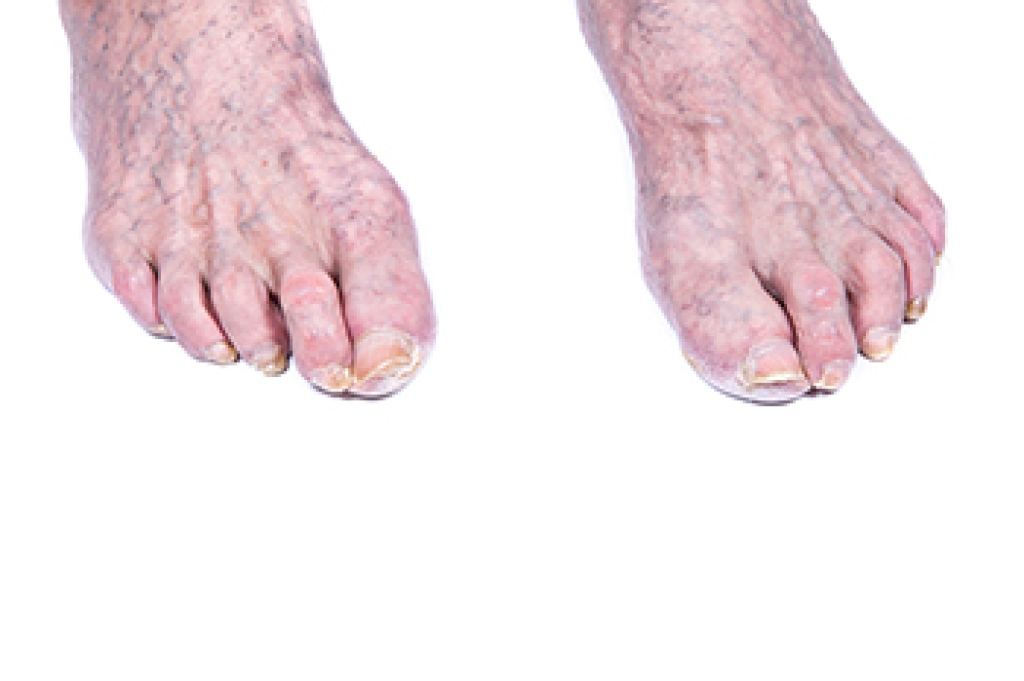
How Feet Change with Age

As people age, their feet undergo natural changes that can provide valuable insights into overall health. The arches may flatten, leading to a condition known as fallen arches, which can cause pain and affect posture. The skin on the feet may become thinner, drier, and more prone to cracking, increasing the risk of infections. Toenails may thicken or become more brittle, while bunions or hammertoes can develop due to misalignment of the toes. These changes can also signal underlying health issues, such as poor circulation, arthritis, or diabetes. For instance, numbness or tingling in the feet can indicate nerve damage, while changes in skin color might suggest circulation problems. If you have foot pain or notice any changes in your feet, it is suggested that you consult a podiatrist who can help you monitor your foot health. 

Proper foot care is something many older adults forget to consider. If you have any concerns about your feet and ankles, contact Pasquale Cancelliere, DPM from Candria Foot and Ankle Specialists. Our doctor can provide the care you need to keep you pain-free and on your feet.

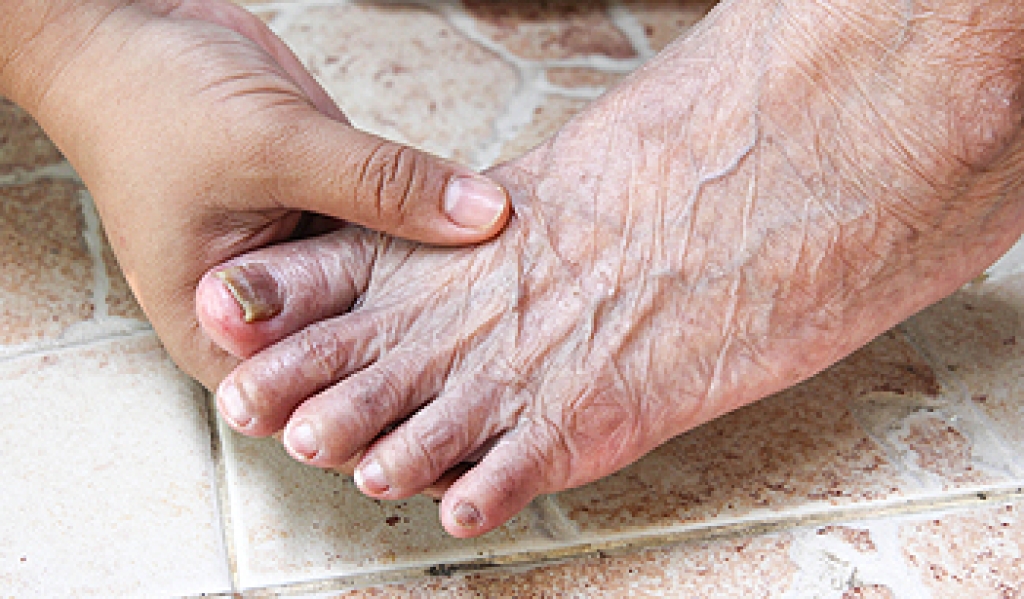
The Elderly and Their Feet

As we age we start to notice many changes in our body, but the elder population may not notice them right away. Medical conditions may prevent the elderly to take notice of their foot health right away. Poor vision is a lead contributor to not taking action for the elderly.

Common Conditions 

  • Neuropathy – can reduce feeling in the feet and can hide many life-threatening medical conditions.
  • Reduced flexibility – prevents the ability of proper toenail trimming, and foot cleaning. If left untreated, it may lead to further medical issues.
  • Foot sores – amongst the older population can be serious before they are discovered. Some of the problematic conditions they may face are:
  • Gouging toenails affecting nearby toe
  • Shoes that don’t fit properly
  • Pressure sores
  • Loss of circulation in legs & feet
  • Edema & swelling of feet and ankles

Susceptible Infections

Diabetes and poor circulation can cause general loss of sensitivity over the years, turning a simple cut into a serious issue.

If you have any questions, please feel free to contact our offices located in Londonderry, NH and Salem, NH . We offer the newest diagnostic and treatment technologies for all your foot care needs.
Read more about Elderly and their Feet

Gout Pain Can Be Managed

Gout is a painful, inflammatory form of arthritis. Those affected will typically feel an intense stiffness in the joints of their feet, particularly in the big toe. Schedule a visit to learn about how gout can be managed and treated.

What to Do With Thick Toenails

Thick toenails are a common condition where the toenails become abnormally thick, often appearing yellowish or discolored. This condition can be caused by fungal infections, aging, trauma to the toenail, or underlying health conditions like diabetes or psoriasis. The symptoms of thick toenails include visible thickening, discoloration, and sometimes crumbling or brittle edges. The toenails may also become painful, especially when pressure is applied, or when wearing tight shoes. In severe cases, the nail may lift from the nail bed or become misshapen. Treatment for thick toenails depends on the cause. If caused by a fungal infection, antifungal medications, either topical or oral, are typically used. In some cases, a podiatrist may recommend trimming or debriding the toenail, or using laser therapy to treat fungal infections. A podiatrist can diagnose the underlying cause and provide effective treatments for thick toenails. If you are experiencing this condition, it is suggested that you make an appointment with a podiatrist.

If left untreated, toenail fungus may spread to other toenails, skin, or even fingernails. If you suspect you have toenail fungus it is important to seek treatment right away. For more information about treatment, contact Pasquale Cancelliere, DPM of Candria Foot and Ankle Specialists. Our doctor can provide the care you need to keep you pain-free and on your feet.

Symptoms

  • Warped or oddly shaped nails
  • Yellowish nails
  • Loose/separated nail
  • Buildup of bits and pieces of nail fragments under the nail
  • Brittle, broken, thickened nail

Treatment

If self-care strategies and over-the-counter medications does not help your fungus, your podiatrist may give you a prescription drug instead. Even if you find relief from your toenail fungus symptoms, you may experience a repeat infection in the future.

Prevention

In order to prevent getting toenail fungus in the future, you should always make sure to wash your feet with soap and water. After washing, it is important to dry your feet thoroughly especially in between the toes. When trimming your toenails, be sure to trim straight across instead of in a rounded shape. It is crucial not to cover up discolored nails with nail polish because that will prevent your nail from being able to “breathe”.

In some cases, surgical procedure may be needed to remove the toenail fungus. Consult with your podiatrist about the best treatment options for your case of toenail fungus.  

If you have any questions please contact our offices located in Londonderry, NH and Salem, NH . We offer the newest diagnostic and treatment technologies for all your foot and ankle needs.

Read more about Treating Toenail Fungus

Choosing the Right Running Shoes for Different Terrains

Selecting the right running shoes for your intended terrain is essential for comfort, performance, and injury prevention. For road running, choose lightweight shoes with adequate cushioning to absorb impact on hard, flat surfaces. Look for breathable materials and a snug fit to prevent blisters during longer runs. Trail running requires sturdier shoes with rugged soles for better grip on uneven, rocky, or muddy terrain. Waterproof or water-resistant materials can keep your feet dry in wet conditions. For treadmill running, focus on shoes with shock absorption and flexibility to handle the repetitive motion. Always consider your foot type, such as flat feet or high arches, when choosing shoes to ensure proper support and alignment. Worn or inappropriate shoes can lead to discomfort or injury. For expert guidance on choosing the right running shoes for yourself, it is suggested that you see a podiatrist to ensure your footwear matches your running needs.

If you are a runner, wearing the right running shoe is essential. For more information, contact Pasquale Cancelliere, DPM from Candria Foot and Ankle Specialists. Our doctor can provide the care you need to keep you pain-free and on your feet.

Choosing the Right Running Shoe for Your Foot Type

To increase performance and avoid the risk of injury, it is important to choose the right running shoe based on your foot type. The general design of running shoes revolves around pronation, which is how the ankle rolls from outside to inside when the foot strikes the ground.

  • Neutral runners are able to choose from a wide variety of shoes, including minimalist shoes or even going barefoot.
  • Runners who overpronate, or experience an over-abundance of ankle rolling, should choose shoes that provide extra motion control and stability.
  • Runners who underpronate, or supinate, have feet that have high arches and lack flexibility, preventing shock absorption. They require shoes with more flexibility and cushion.

If you have any questions, please feel free to contact our offices located in Londonderry, NH and Salem, NH . We offer the newest diagnostic and treatment technologies for all your foot care needs.

Read more about Choosing the Right Running Shoe for Your Foot Type
scroll to top